Tracing paper is a versatile tool that many artists and designers love. Its semi-transparent quality allows for easy copying and sketching, making it a favorite in various creative fields. Understanding its uses can enhance your projects significantly.
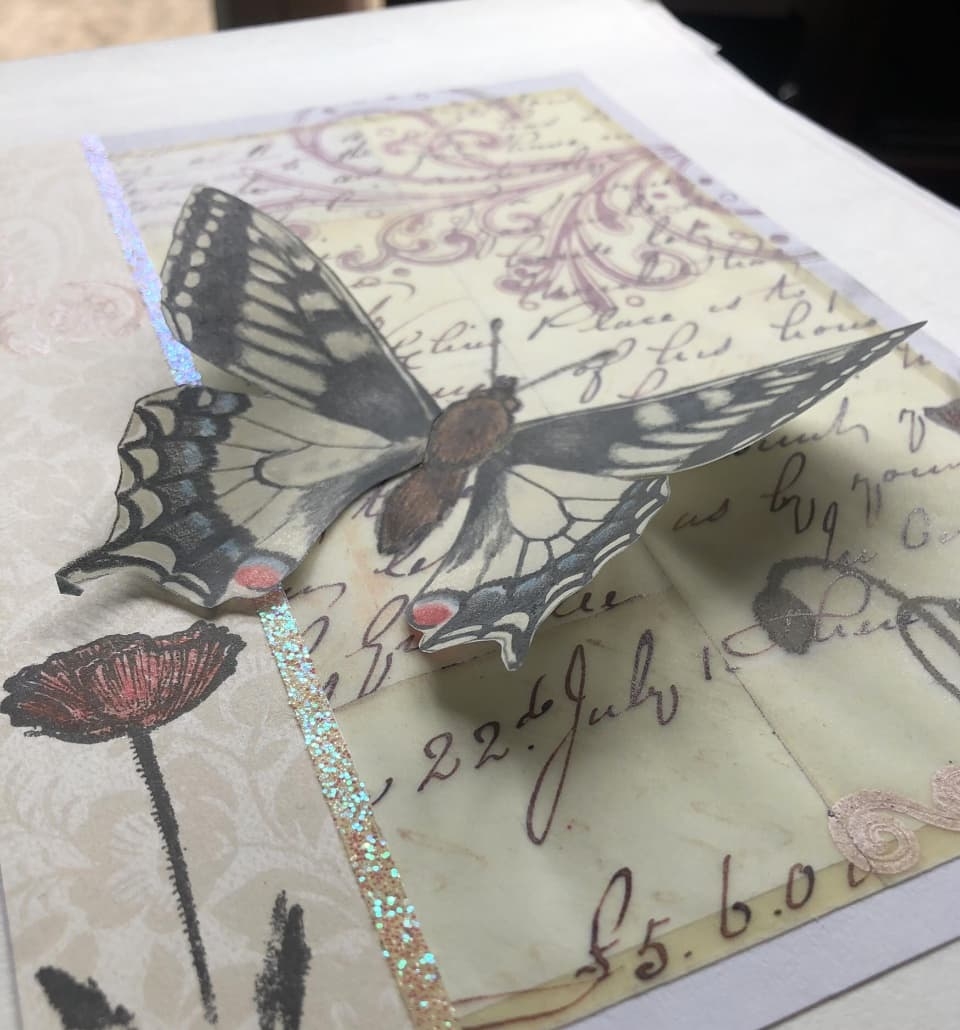
Uses For Tracing Paper
Uses For Tracing Paper
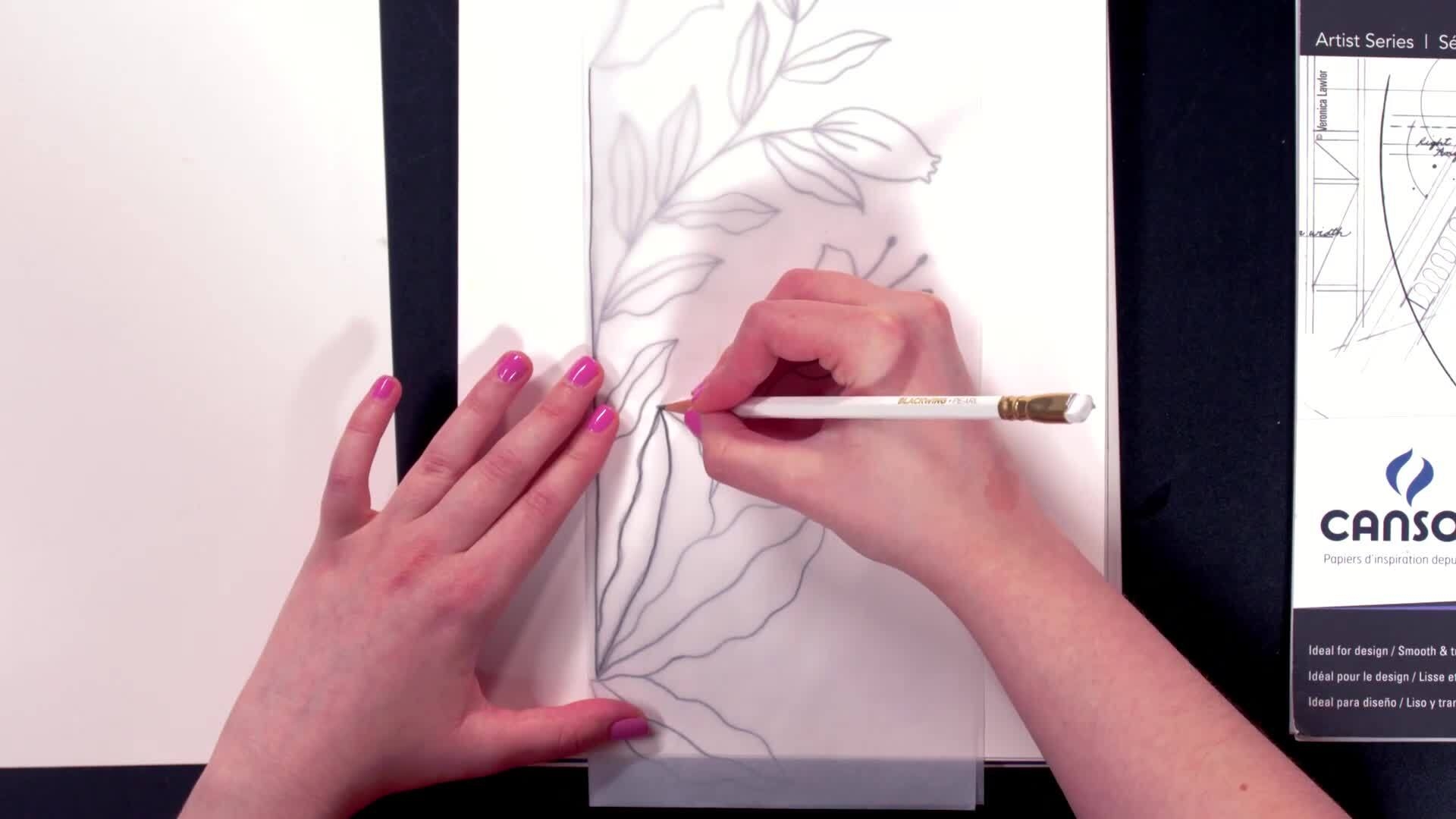
One popular use for tracing paper is in sketching. Artists can layer their designs, allowing them to refine their ideas without starting from scratch. This method encourages experimentation and creativity.
In the world of fashion design, tracing paper is essential for creating patterns. Designers can easily transfer their sketches onto fabric, ensuring accuracy and precision in their work. This saves time and enhances the final product.
Architects also benefit from tracing paper when drafting plans. It allows them to overlay different elements, making adjustments easier without losing the original design. This flexibility is crucial in architectural projects.
Additionally, tracing paper is great for educational purposes. Teachers often use it to create worksheets or visual aids, helping students understand complex concepts through clear illustrations. It’s an effective teaching tool that enhances learning.
In conclusion, tracing paper serves multiple functions across various fields. Whether you’re an artist, designer, or educator, incorporating this tool into your workflow can lead to improved results and greater creativity in your projects.
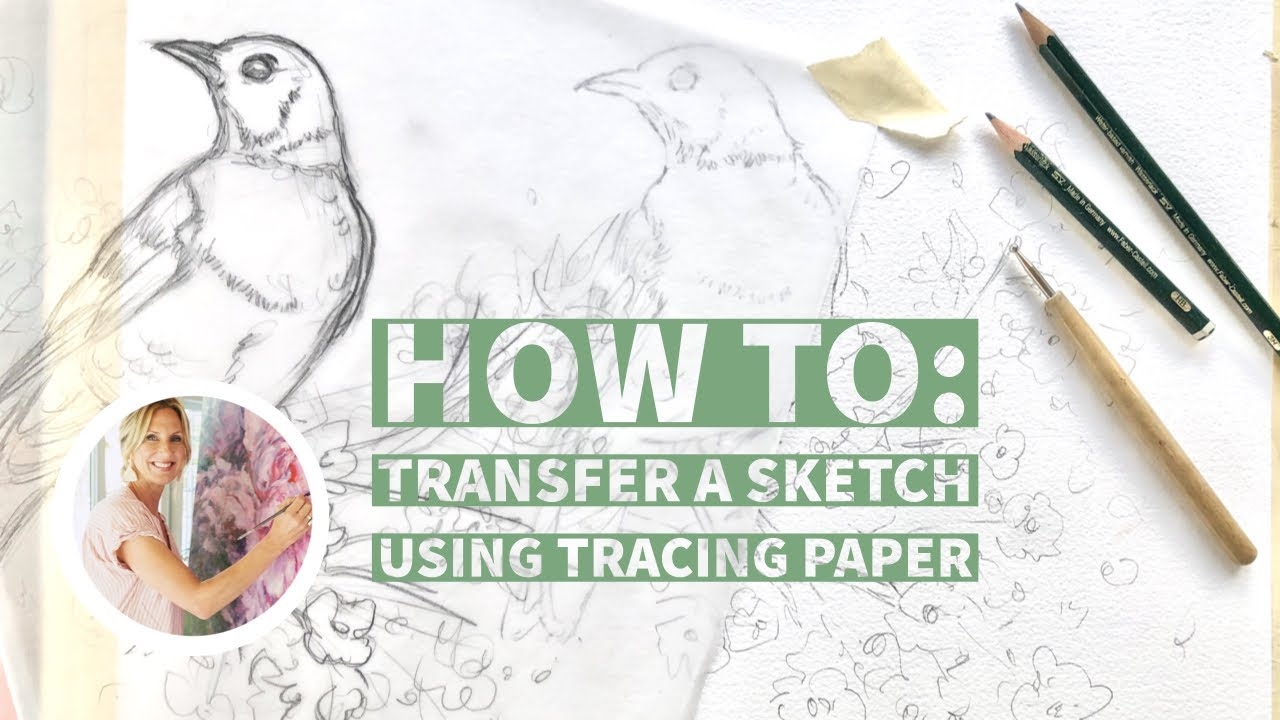
HOW TO Transfer A Sketch Using Tracing Paper
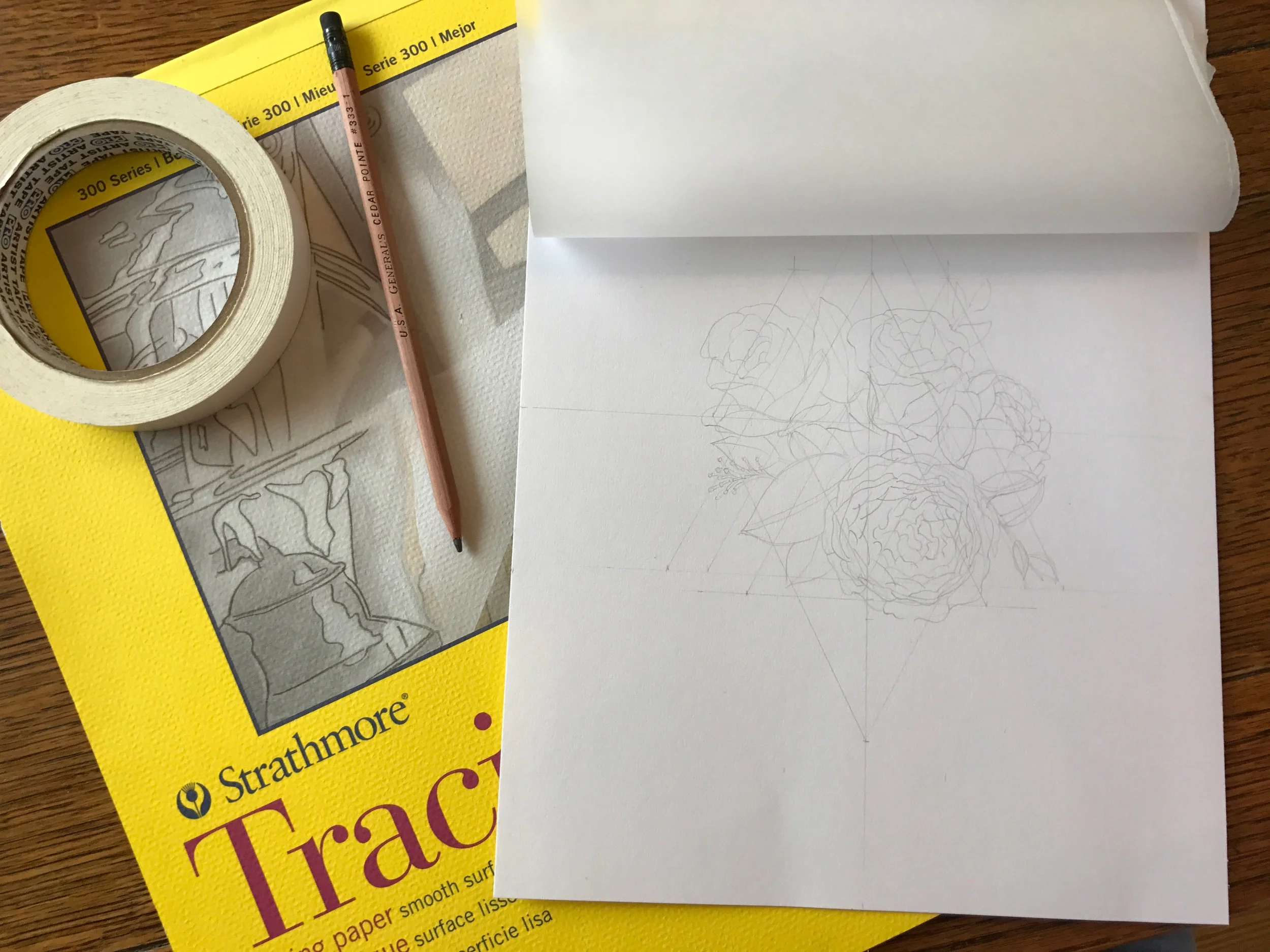
How To Use Tracing Paper To Transfer An Inked Illustration To
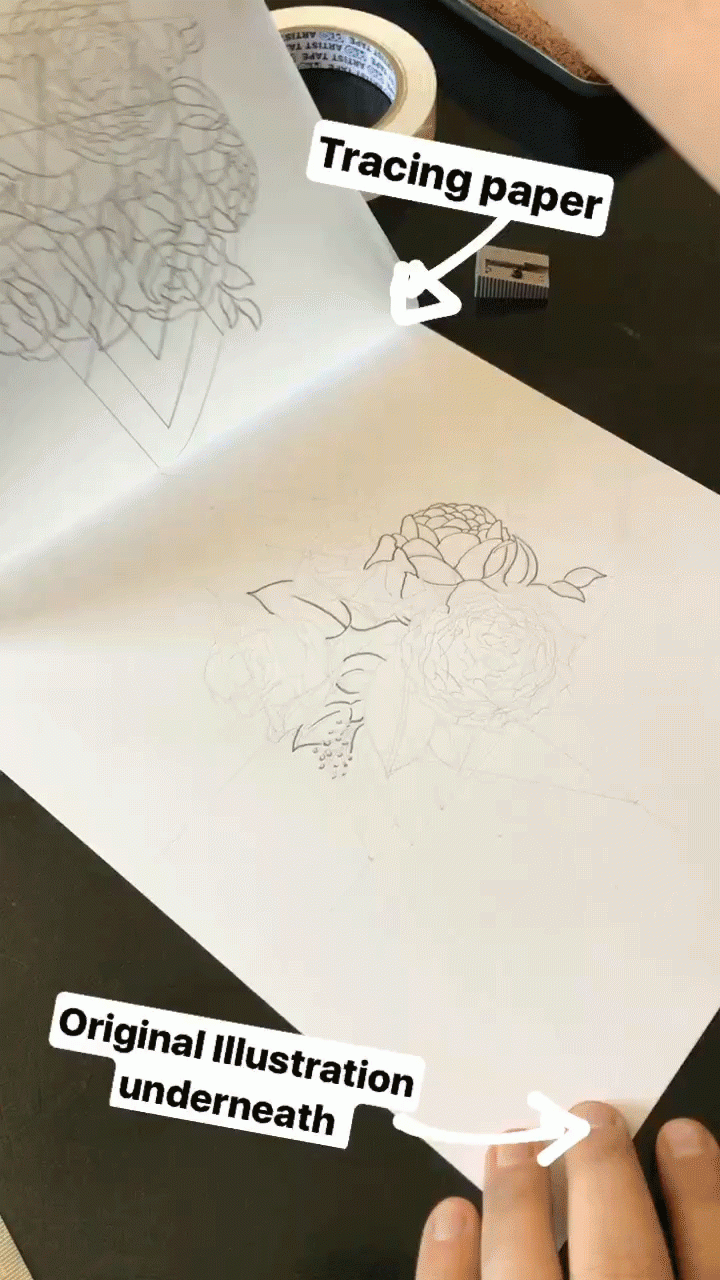
How To Use Tracing Paper To Transfer An Inked Illustration To
Tips For Using Tracing Paper
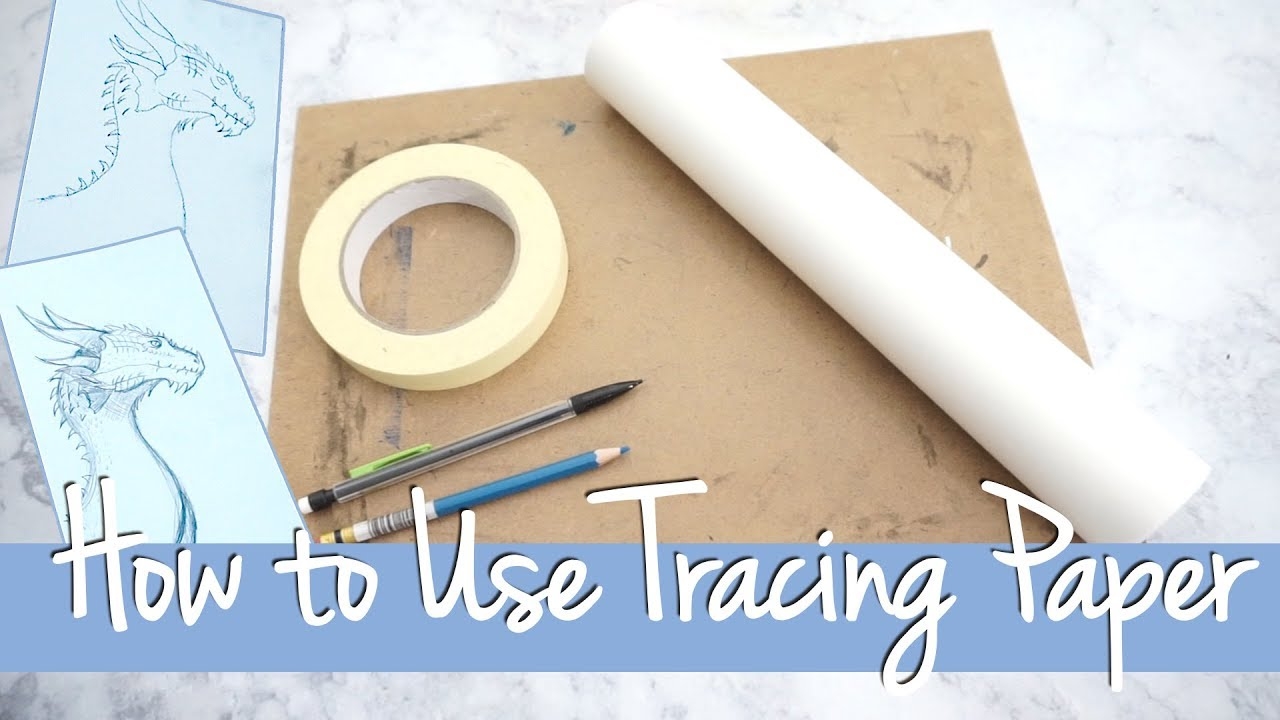
How To Use Tracing Paper