Tracing lines is an essential skill for young children, helping them develop fine motor skills and hand-eye coordination. Engaging activities can make learning fun and effective, ensuring kids enjoy the process while mastering this important task.
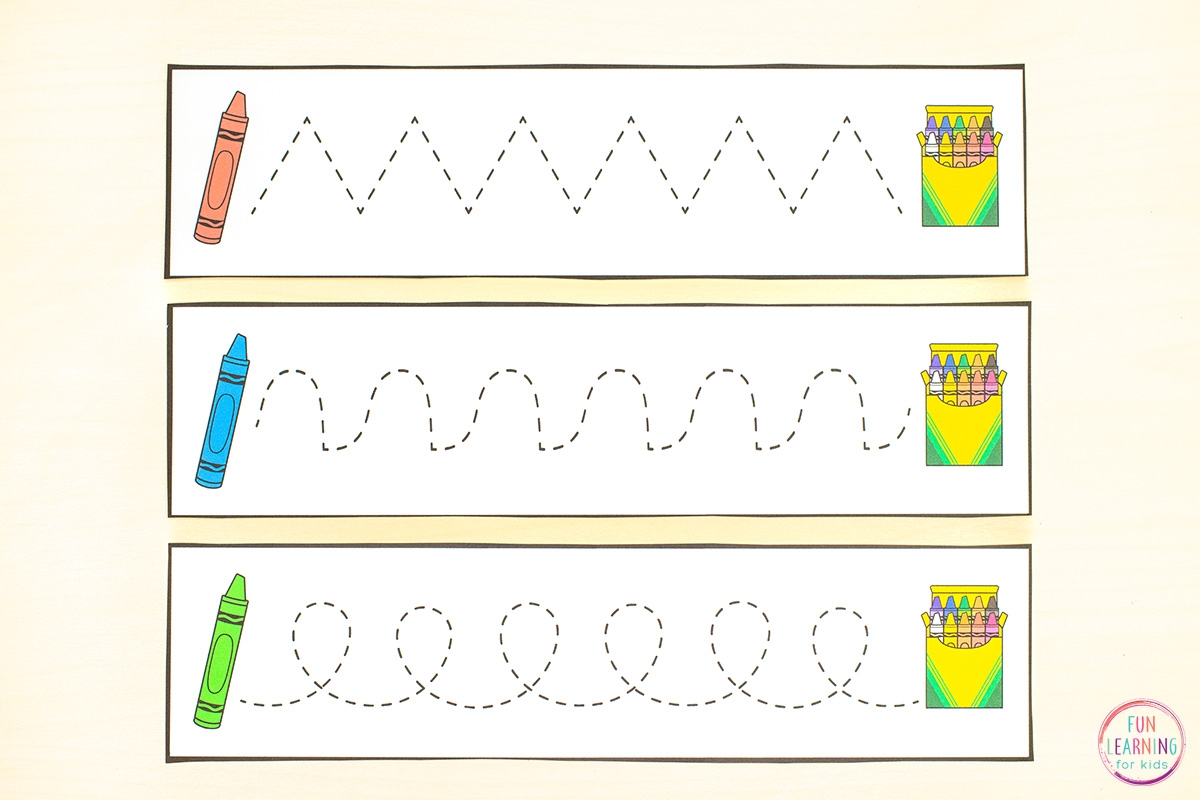
How To Teach Tracing Lines
How To Teach Tracing Lines
Start by demonstrating how to trace lines using your finger. Show children how to follow the path smoothly. This visual example helps them understand the movement required for tracing effectively.
Next, provide worksheets with various line patterns. Include straight lines, curves, and zigzags to keep things interesting. Encourage children to trace these lines repeatedly until they feel confident in their abilities.
Make it interactive by using different materials. For instance, try tracing with sand, flour, or even finger paint. This tactile approach not only makes learning enjoyable but also reinforces their understanding of line shapes.
Lastly, celebrate their progress! Positive reinforcement boosts confidence and motivates children to continue practicing. A simple “Great job!” or a sticker can go a long way in encouraging them to keep tracing.
Teaching tracing lines can be a delightful experience for both you and the child. With engaging activities and consistent practice, they’ll develop essential skills while having fun along the way.
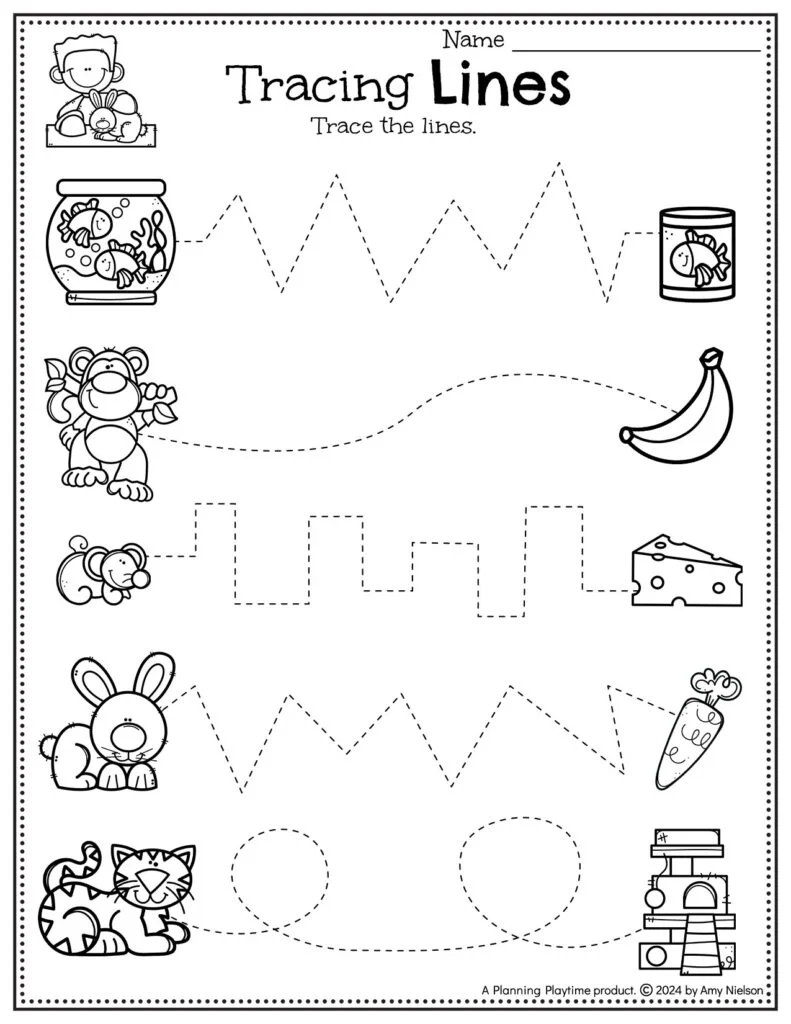
Tracing Worksheets And Activities For Preschool Planning Playtime
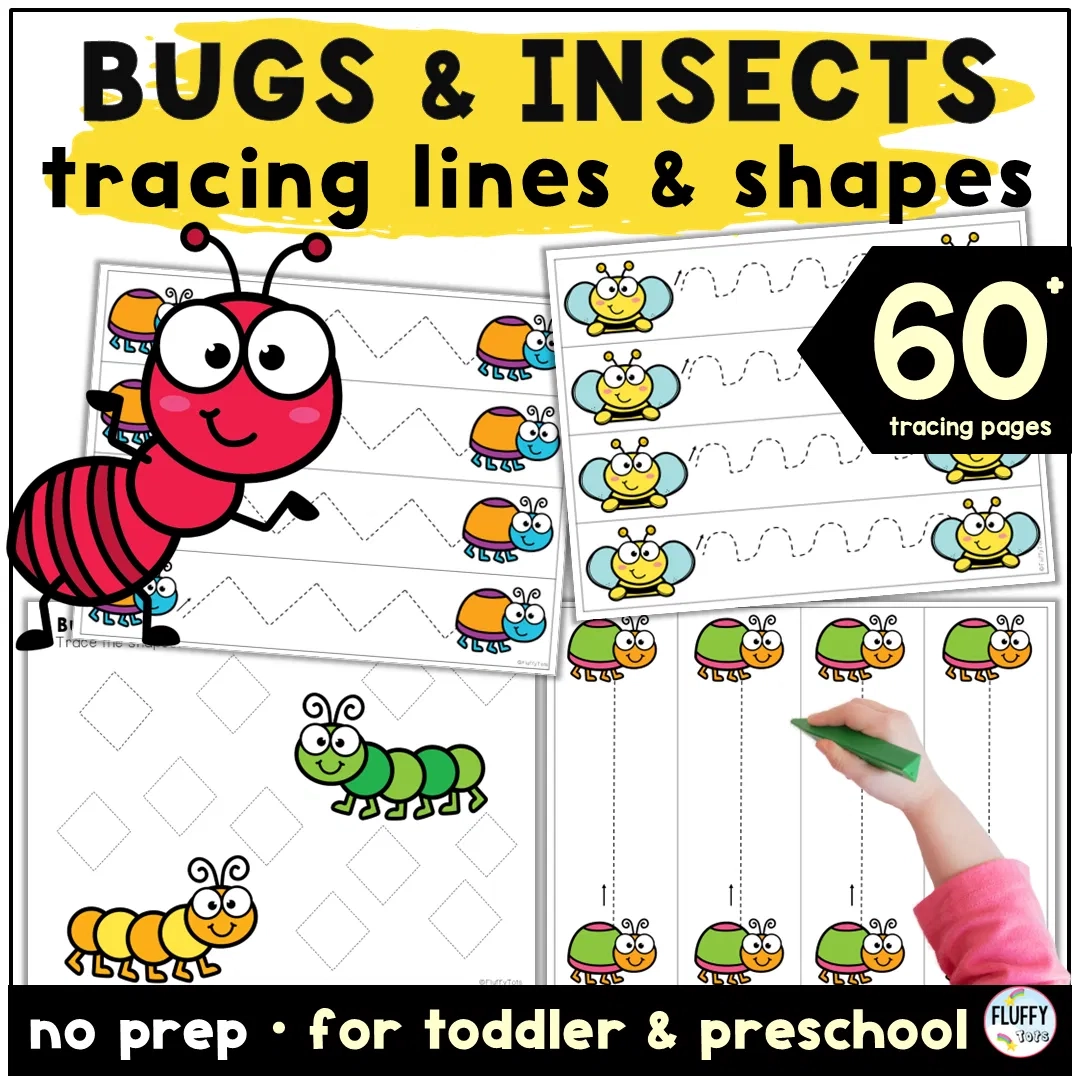
5 Steps How To Teach Tracing Lines In Preschool To Build Strong
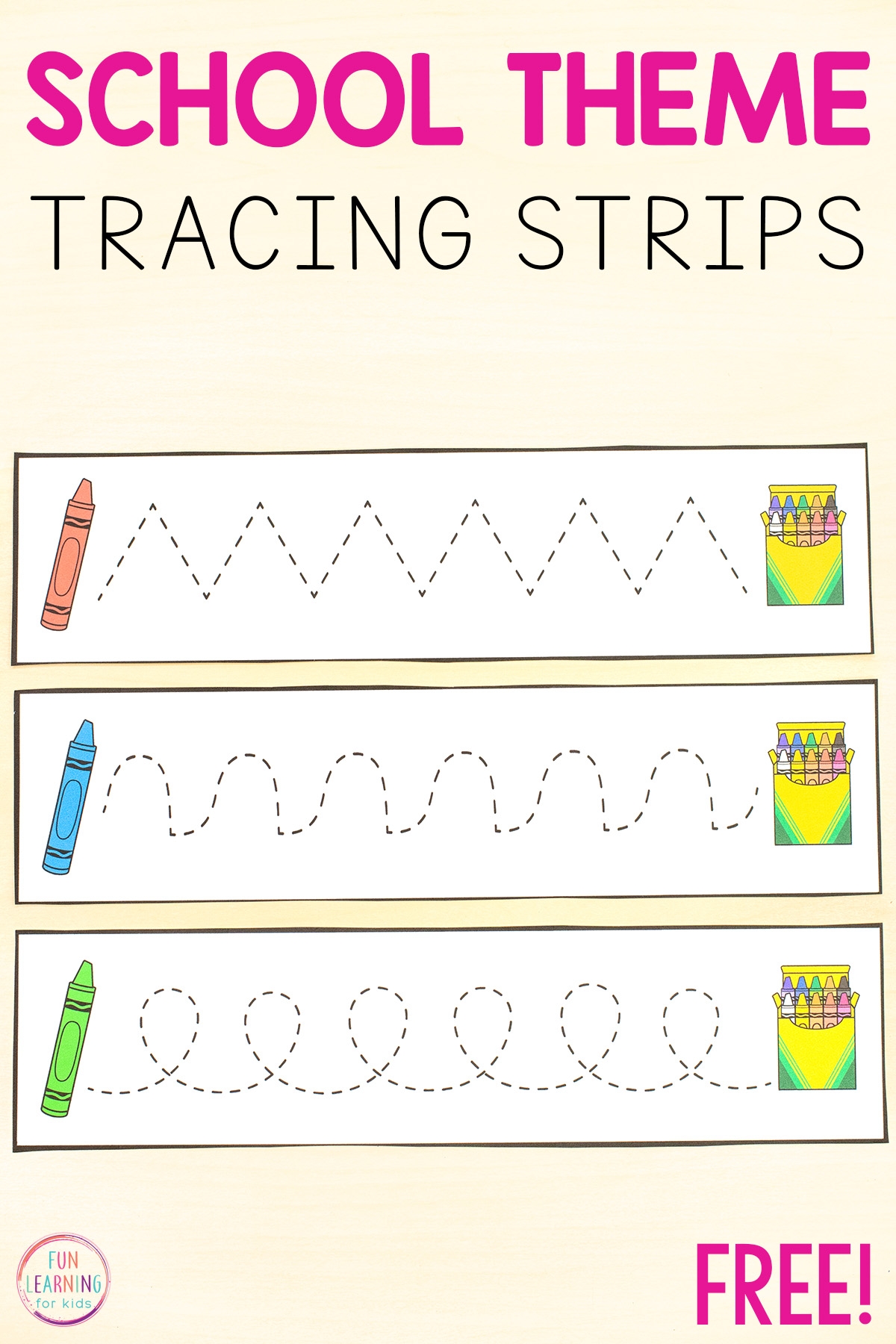
School Theme Tracing Strips For Pre Writing Practice
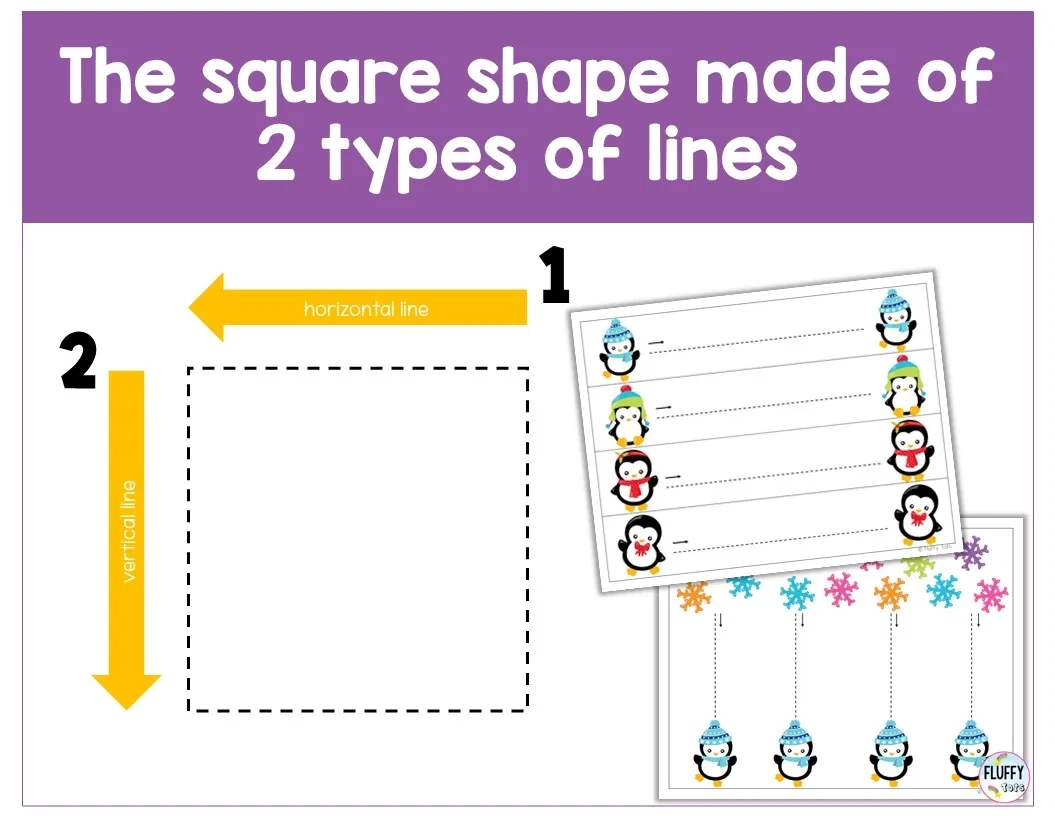
6 Easy Steps To How To Teach Tracing Letters To Your Toddler And
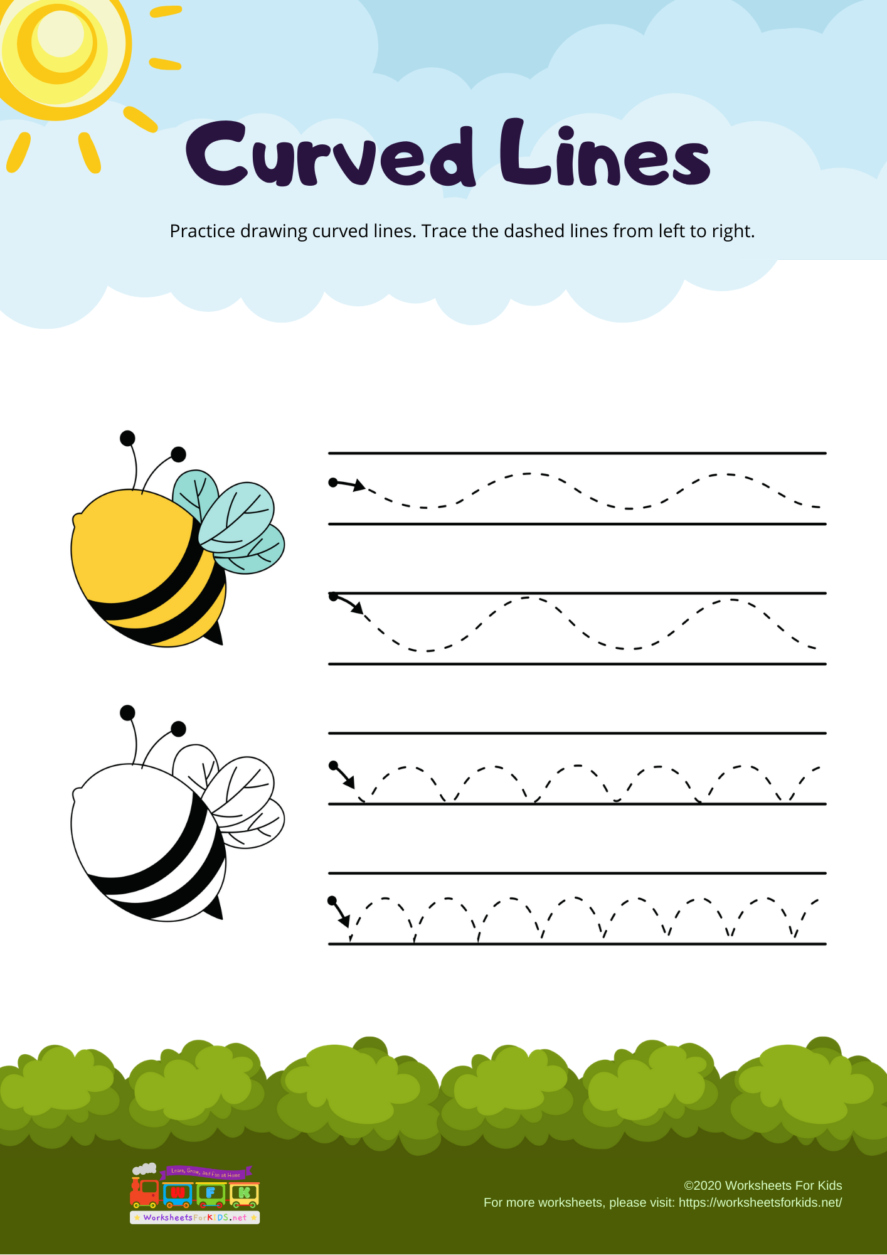
10 Tracing Lines Curved Line