Tracing paper is a unique and versatile material used by artists, designers, and students alike. Its semi-transparent quality allows for easy copying and sketching, making it a favorite in various creative fields.
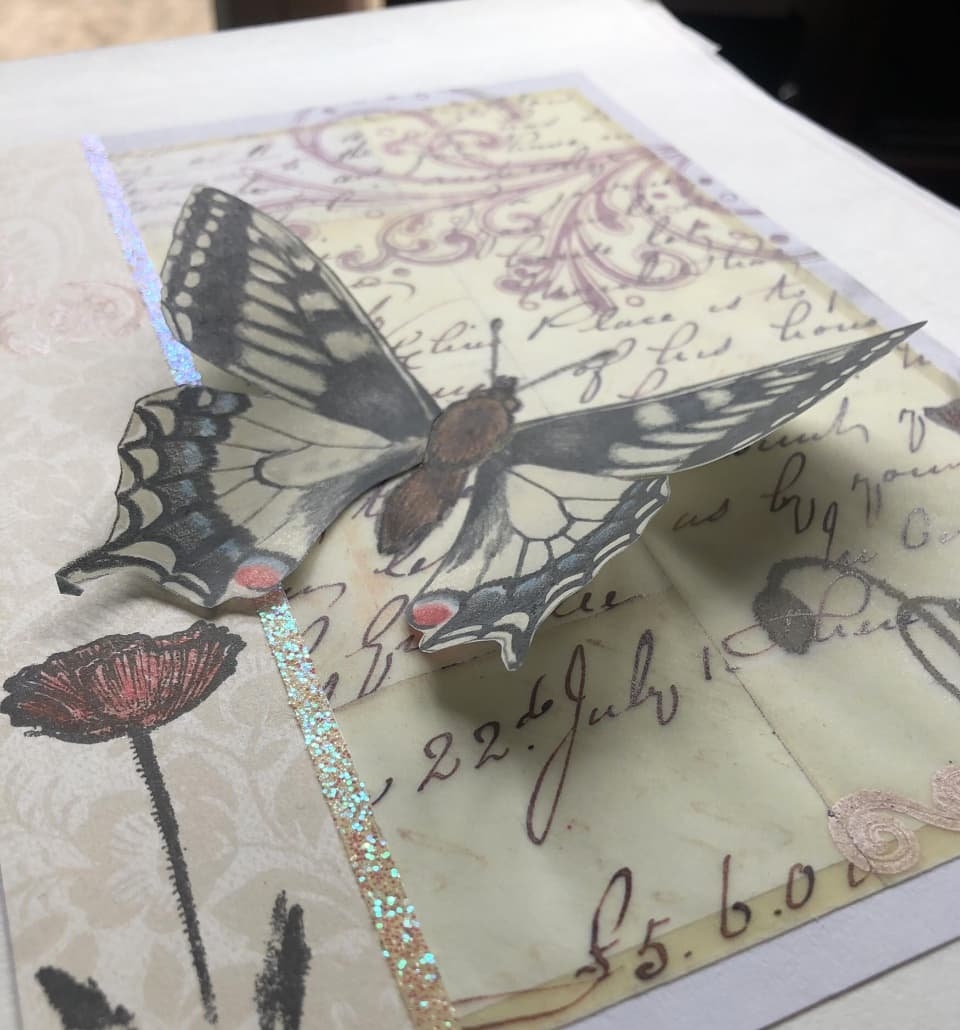
How Is Tracing Paper Made
How Is Tracing Paper Made
The creation of tracing paper begins with high-quality wood pulp. This pulp is processed to remove impurities, ensuring a smooth and consistent texture. The purity of the pulp is crucial for achieving the desired transparency.
Next, the pulp is mixed with water and formed into sheets using a machine. This process involves pressing the mixture to eliminate excess water, resulting in a thin layer of paper. The thickness can vary depending on the intended use.
After forming, the sheets undergo drying and finishing processes. These steps enhance the paper’s durability and improve its ability to hold ink or pencil marks without smudging. The final product is then cut into various sizes for convenience.
Tracing paper is often treated with special coatings to enhance its transparency and smoothness. These coatings allow artists to create clean lines while tracing over images or designs, making it an invaluable resource for many creative projects.
In conclusion, tracing paper’s unique manufacturing process contributes to its popularity among artists and designers. Understanding how it’s made can inspire you to explore new techniques in your creative journey.
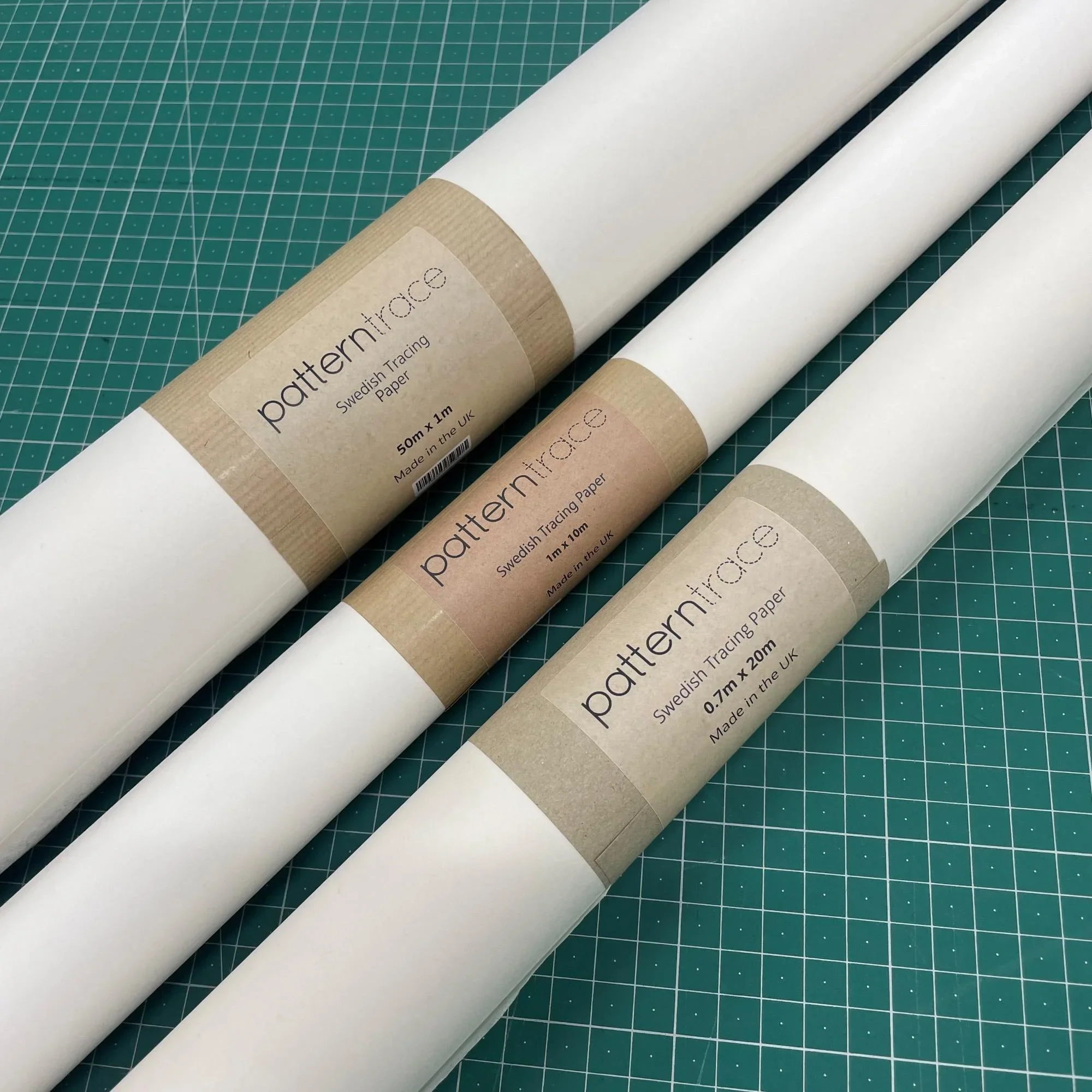
Patterntrace Swedish Tracing Paper Weft And Warp
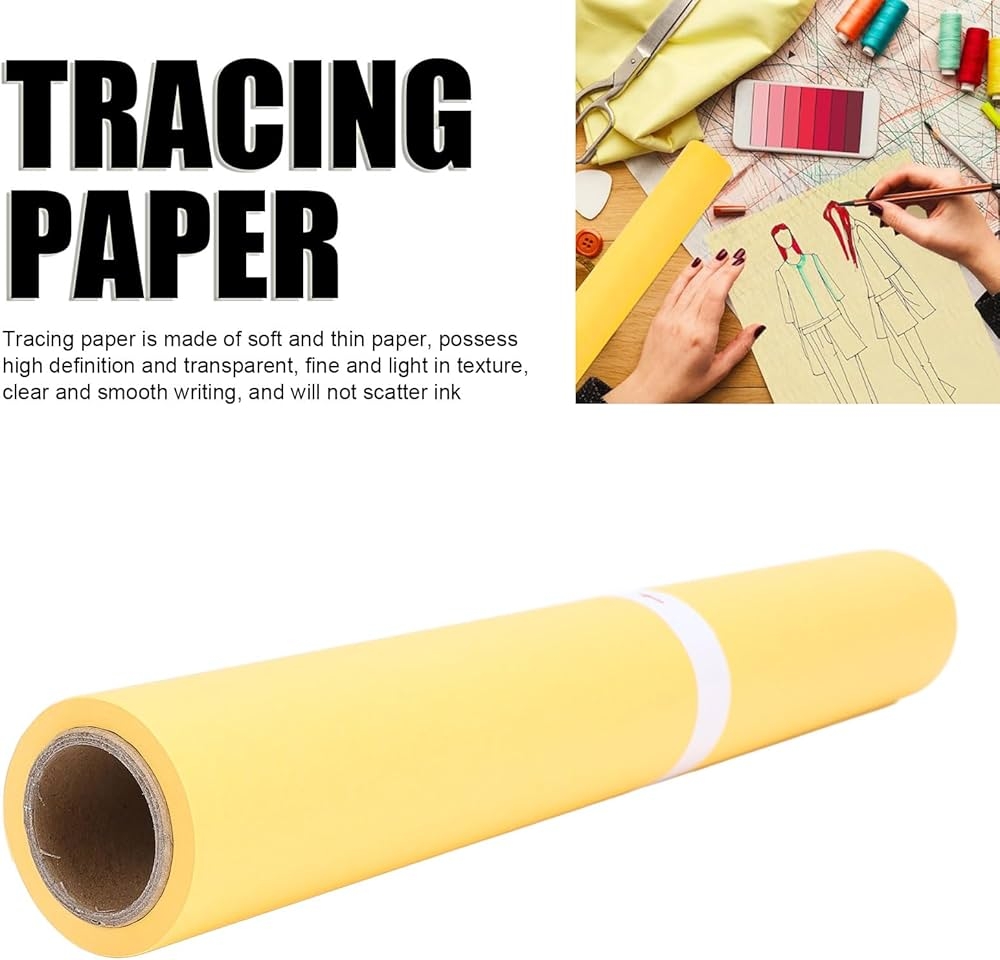
Tracing Paper Roll 31cm 12in Width Cuttable Sewing Pattern Paper For Garment Making Canary Yellow Cuttable A3 A4 Drawing Sewing Sketching Crafts
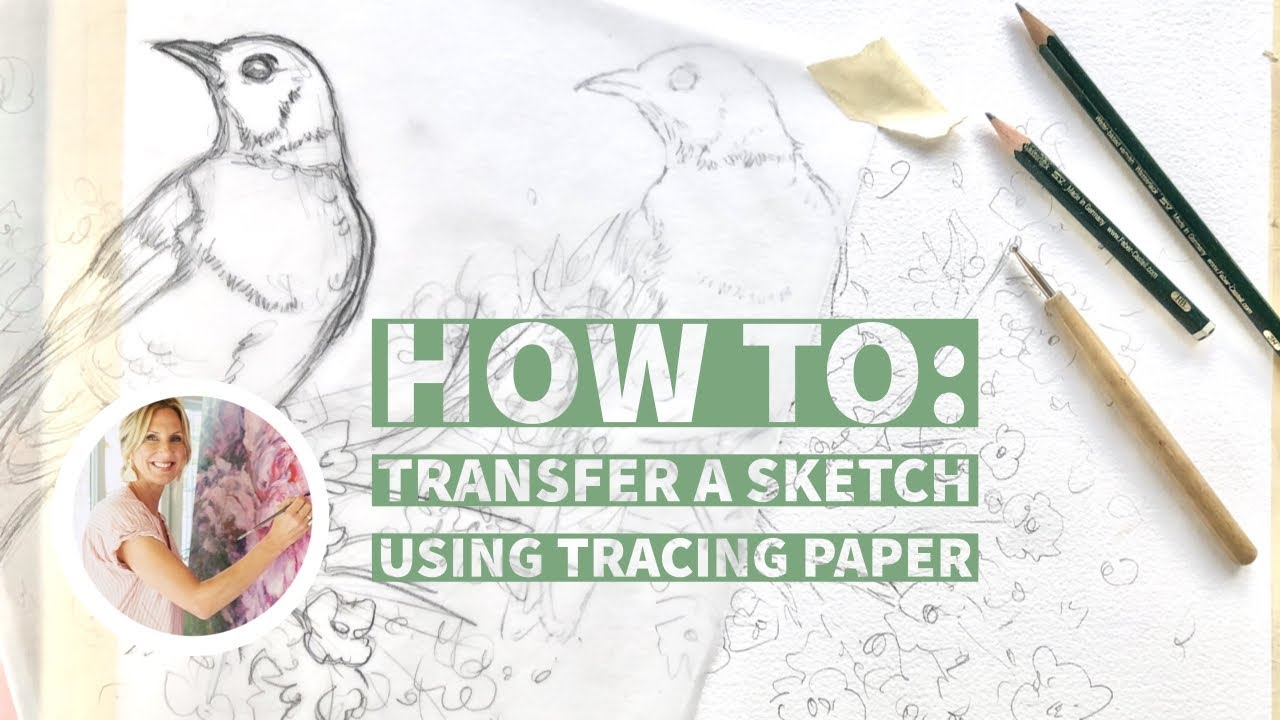
HOW TO Transfer A Sketch Using Tracing Paper
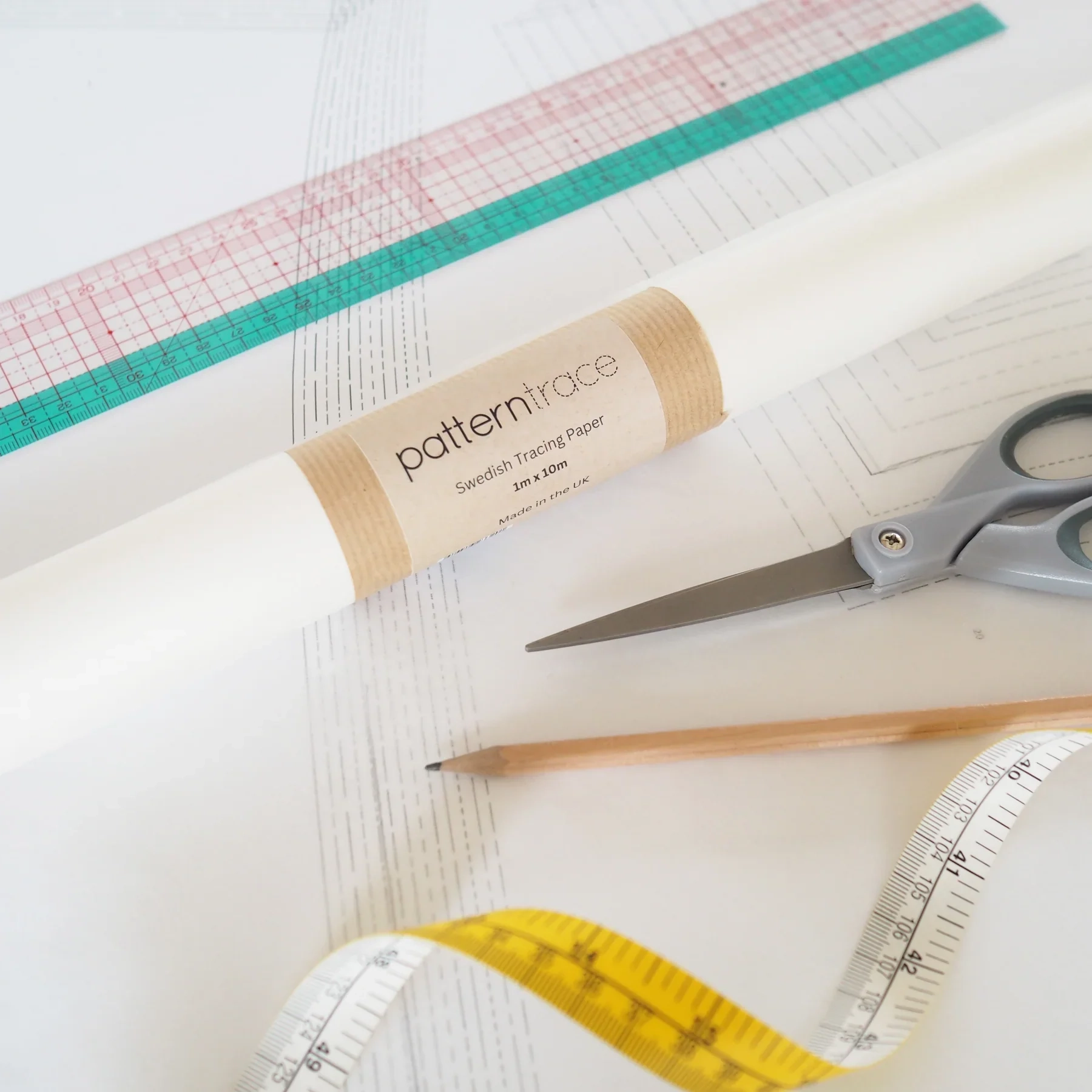
Patterntrace Swedish Tracing Paper BeyondThePinkDoor
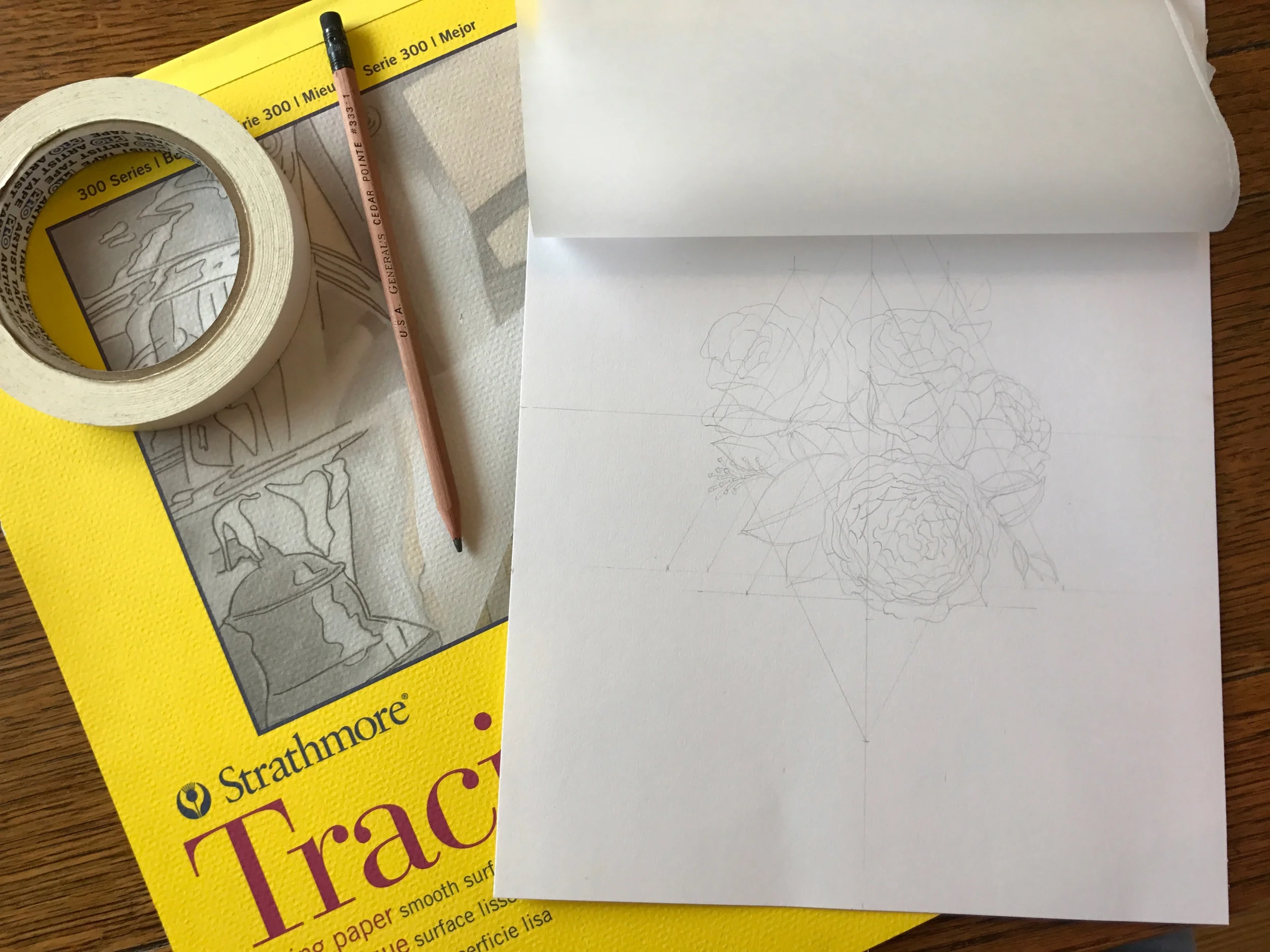
What Is Tracing Paper And How Is It Made Yescom Paper Top China