Every city has its own unique paths that people take, often leading to unexpected discoveries. These routes, known as desire lines, reveal how individuals navigate their environments based on convenience and preference. Understanding these paths can enhance urban planning.

Tracing The Desire Line
Tracing The Desire Line
When tracing the desire line, one can see the patterns of movement that emerge over time. These lines often form where people frequently walk, indicating a need for better pathways or infrastructure. Recognizing these trends can lead to improved urban design.
Urban planners can benefit significantly from studying desire lines. By analyzing these natural pathways, they can create more efficient and user-friendly spaces. This approach not only enhances accessibility but also fosters a sense of community among residents.
Moreover, desire lines can influence landscaping and public art installations. By aligning designs with these natural routes, cities can create more inviting environments that encourage exploration and interaction among residents and visitors alike.
In conclusion, tracing the desire line offers valuable insights into human behavior and urban design. By understanding these patterns, cities can evolve to better meet the needs of their inhabitants, creating spaces that are both functional and enjoyable.

An Interview With Melissa Matthewson Author Of Tracing The Desire

Tracing The Desire Line A Q amp A With Melissa Matthewson Ravishly

Tracing and Erasing New York s Lines Of Desire The New Yorker
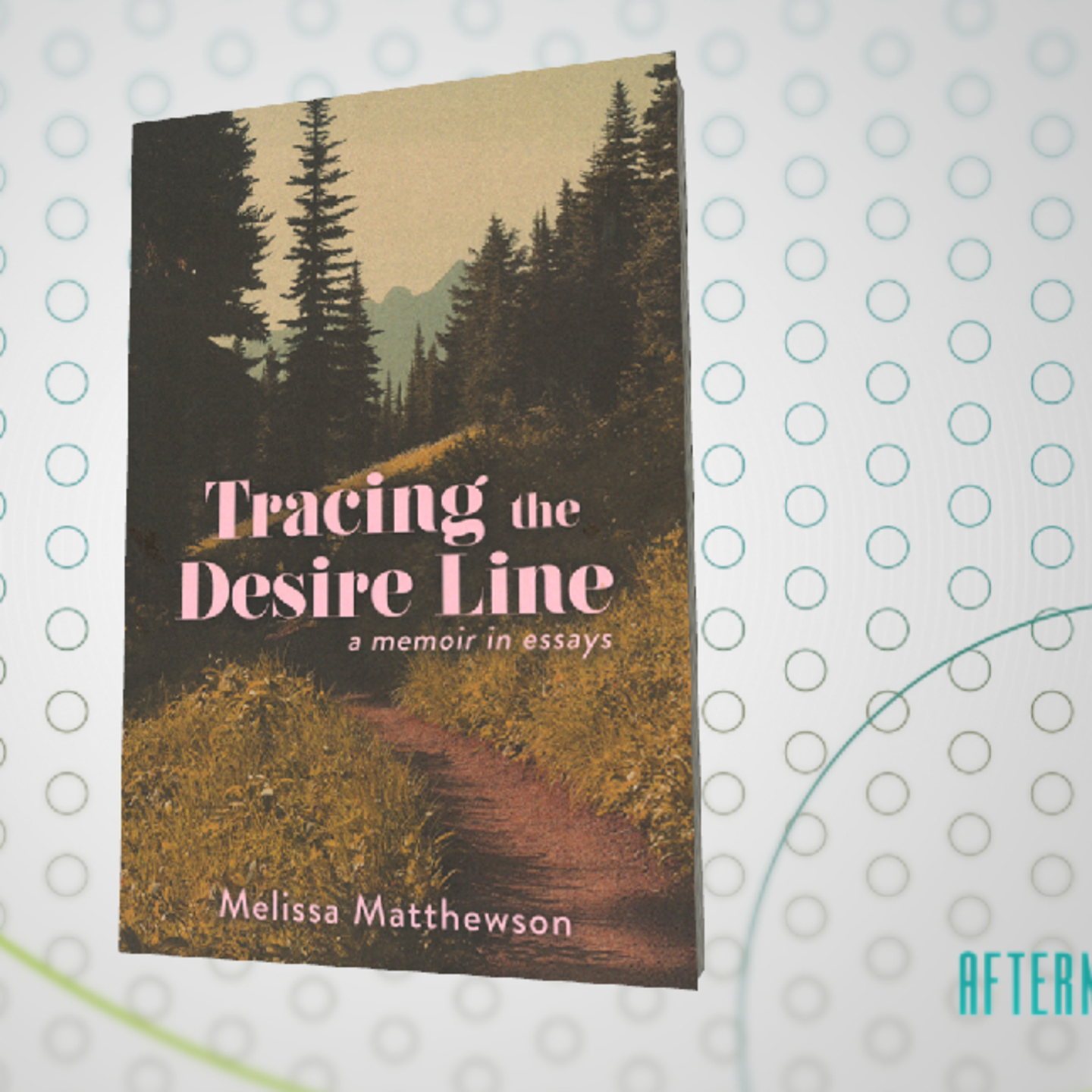
Tracing The Desire Line
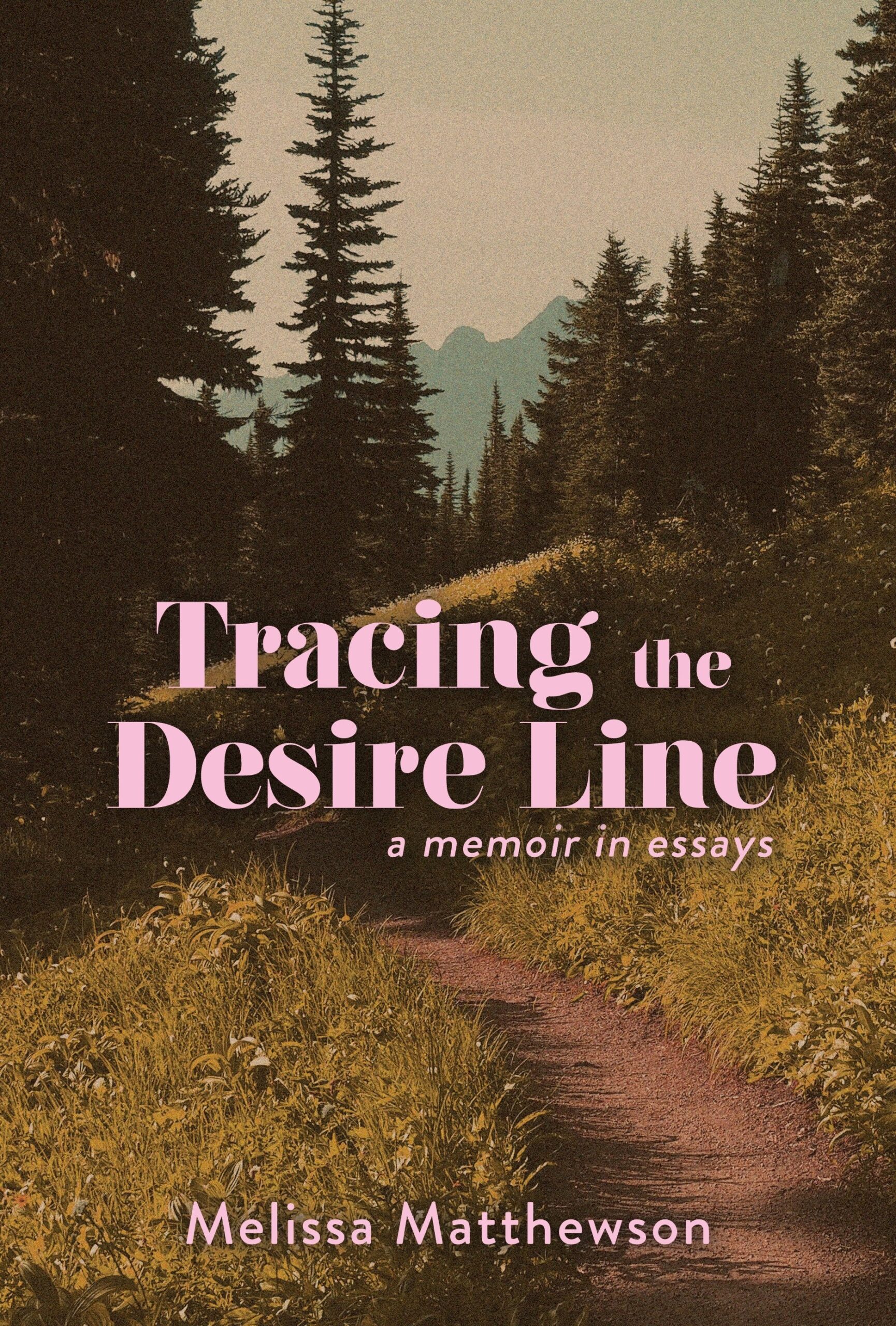
Tracing The Desire Line By Melissa Matthewson Goodreads