Sewing enthusiasts often seek tools that enhance their creativity and precision. One such essential tool is sewing tracing paper, which simplifies the process of transferring patterns onto fabric. This handy item can elevate your sewing projects significantly.
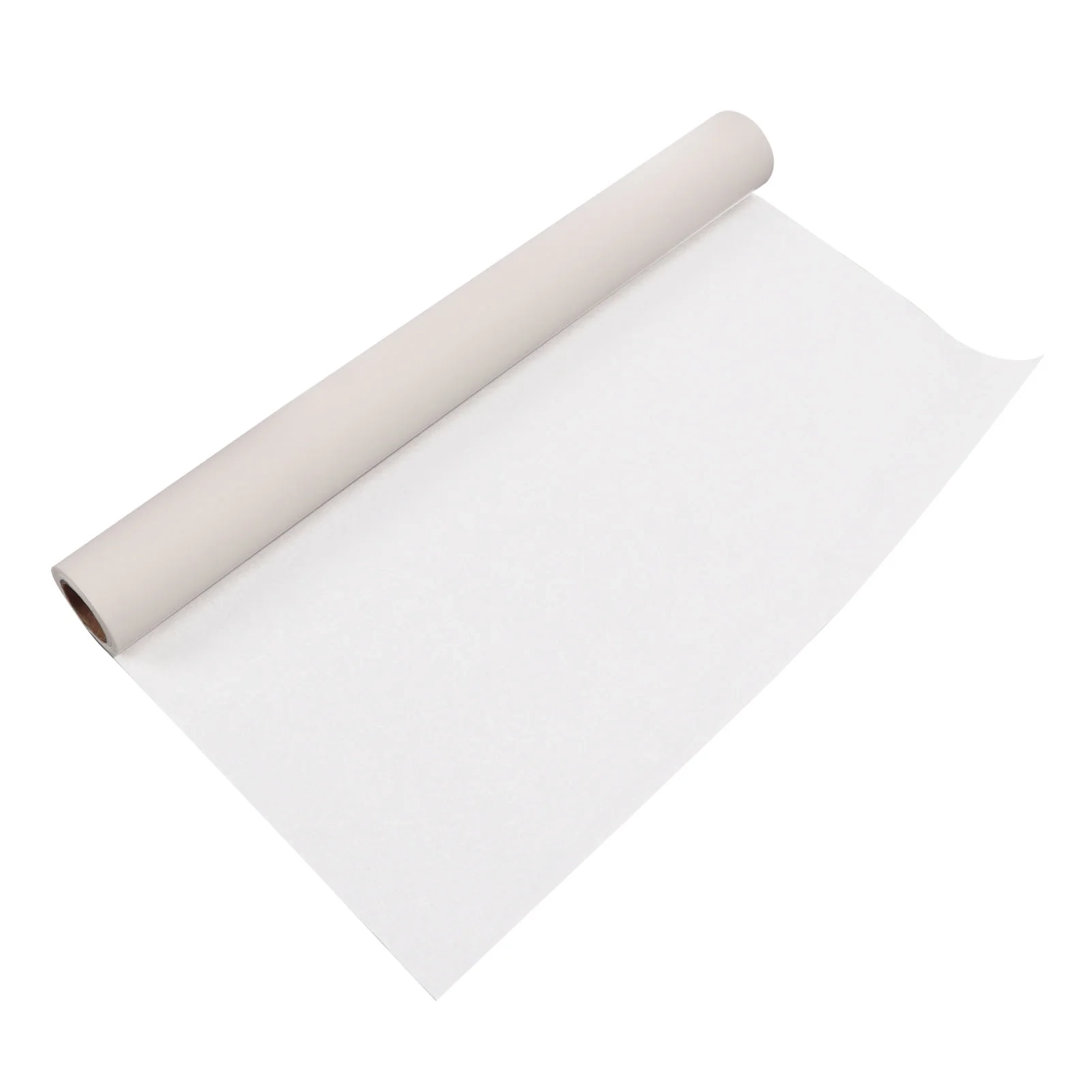
Sewing Tracing Paper
Sewing Tracing Paper
Sewing tracing paper comes in various types, including waxed, carbon, and non-woven options. Each type has its unique benefits, catering to different fabric types and project requirements. Choosing the right one is crucial for achieving the best results.
Using sewing tracing paper is straightforward. Simply place it between your pattern and fabric, then trace the lines with a pencil or chalk. This method ensures that your fabric pieces are cut accurately, saving time and reducing waste.
Another advantage of sewing tracing paper is its reusability. You can use it multiple times for different projects, making it a cost-effective choice for any sewing enthusiast. Just be sure to store it properly to maintain its quality.
Incorporating sewing tracing paper into your workflow can streamline your sewing process. By ensuring precise pattern transfers, you’ll enjoy more successful projects and a greater sense of accomplishment with each creation.
Overall, sewing tracing paper is an invaluable tool for anyone passionate about sewing. Its ease of use and versatility make it a must-have in your crafting toolkit, helping you achieve professional-looking results every time.
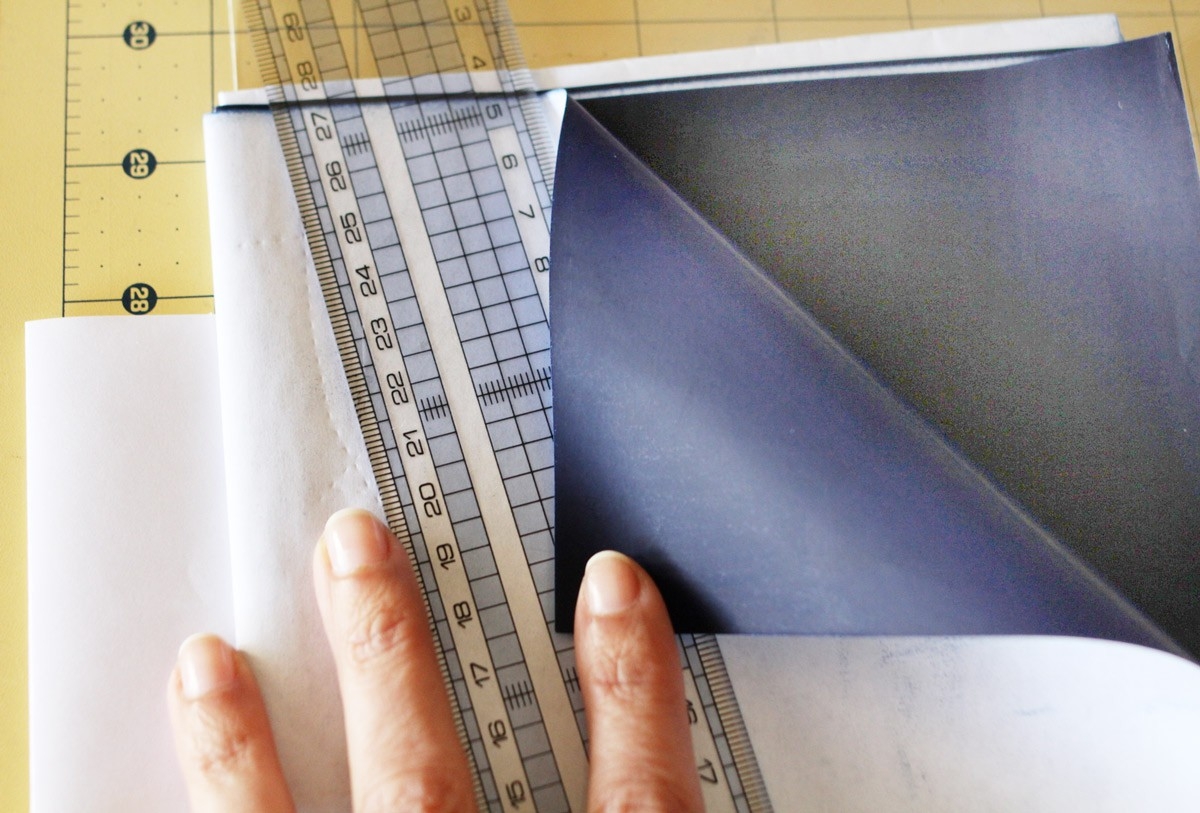
How To Preserve A Pattern Carbon Tracing Paper Blog Oliver S
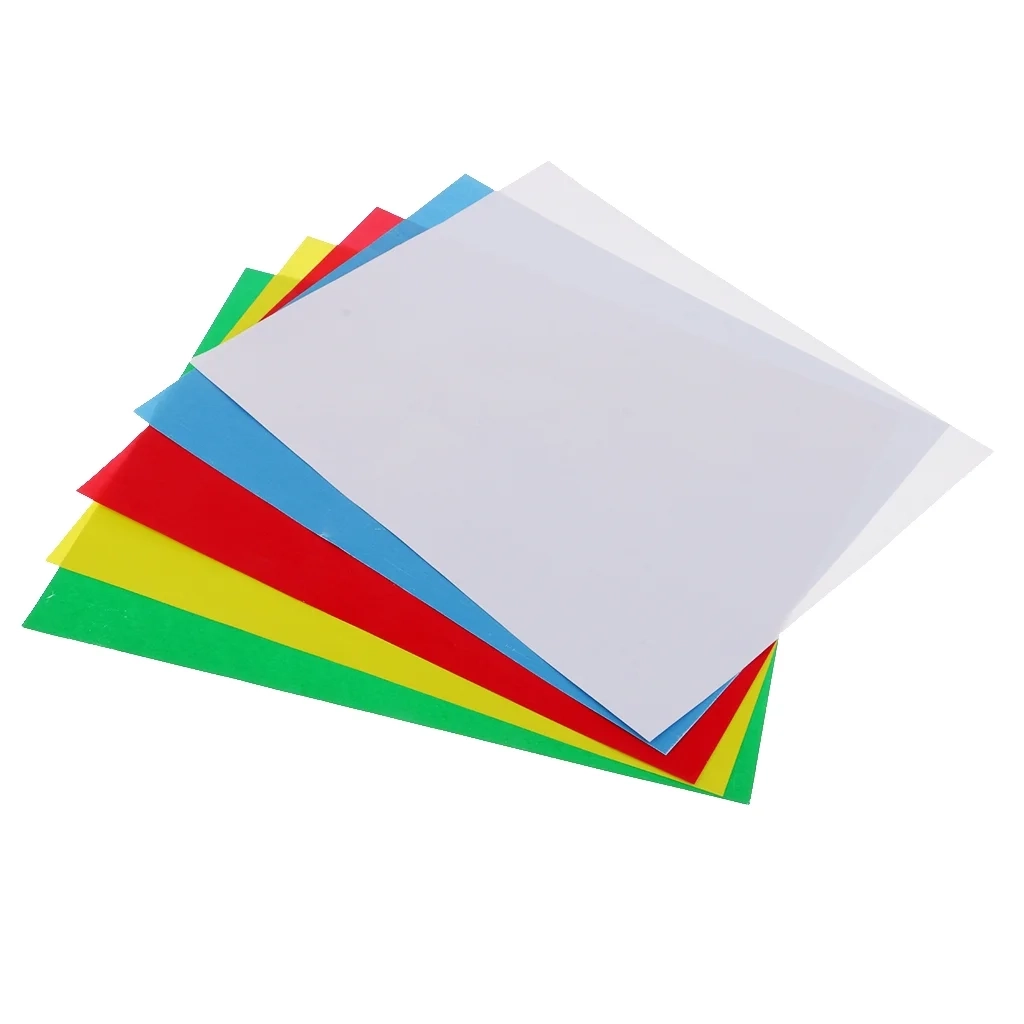
10 Pieces Dressmaker Tracing Paper Sheets Tracing Patterns Making
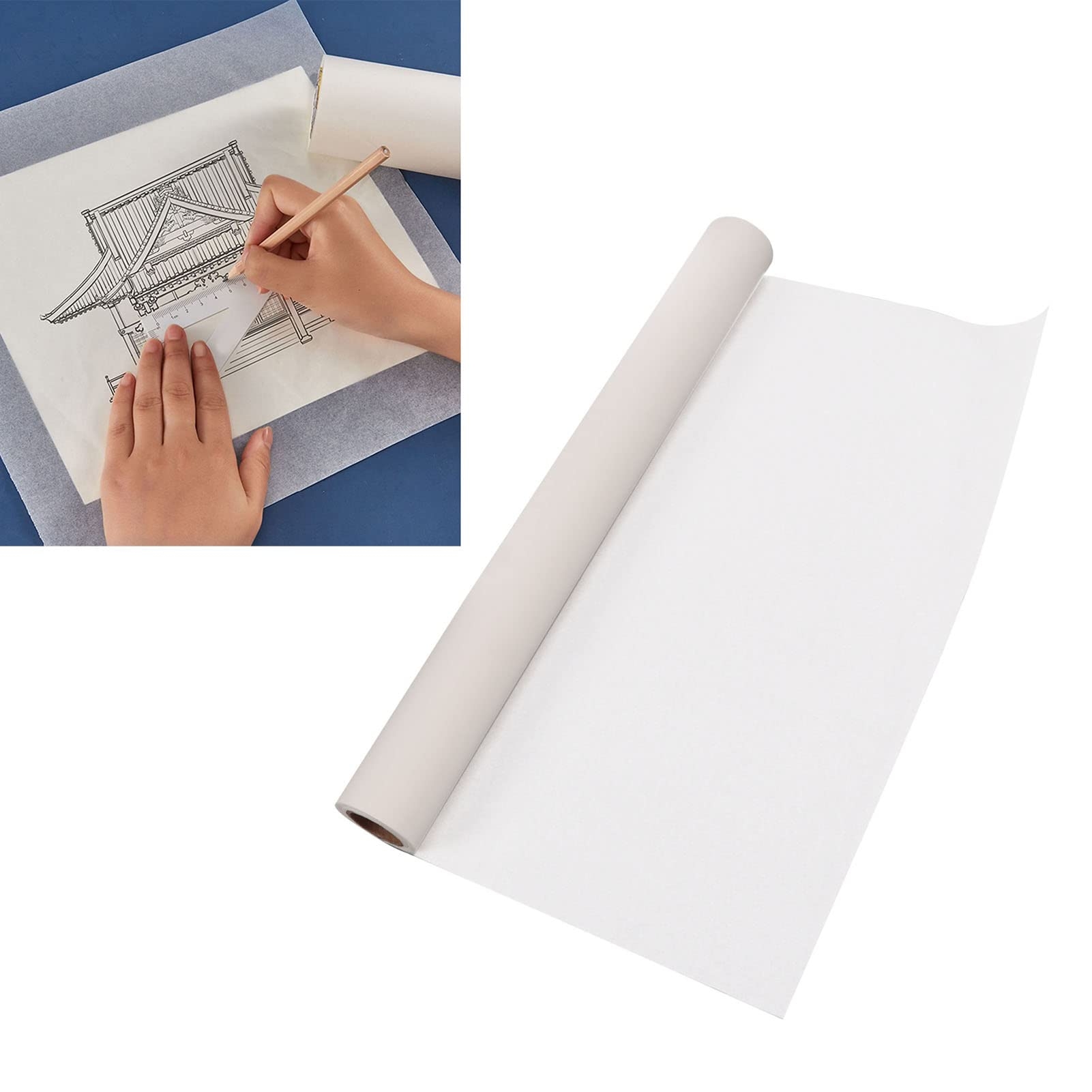
18in Tracing Paper For Sewing Patterns White Tracing Paper Roll High Transparency Ink Absorption Pattern Paper Dressmaking Tracing Paper Roll For
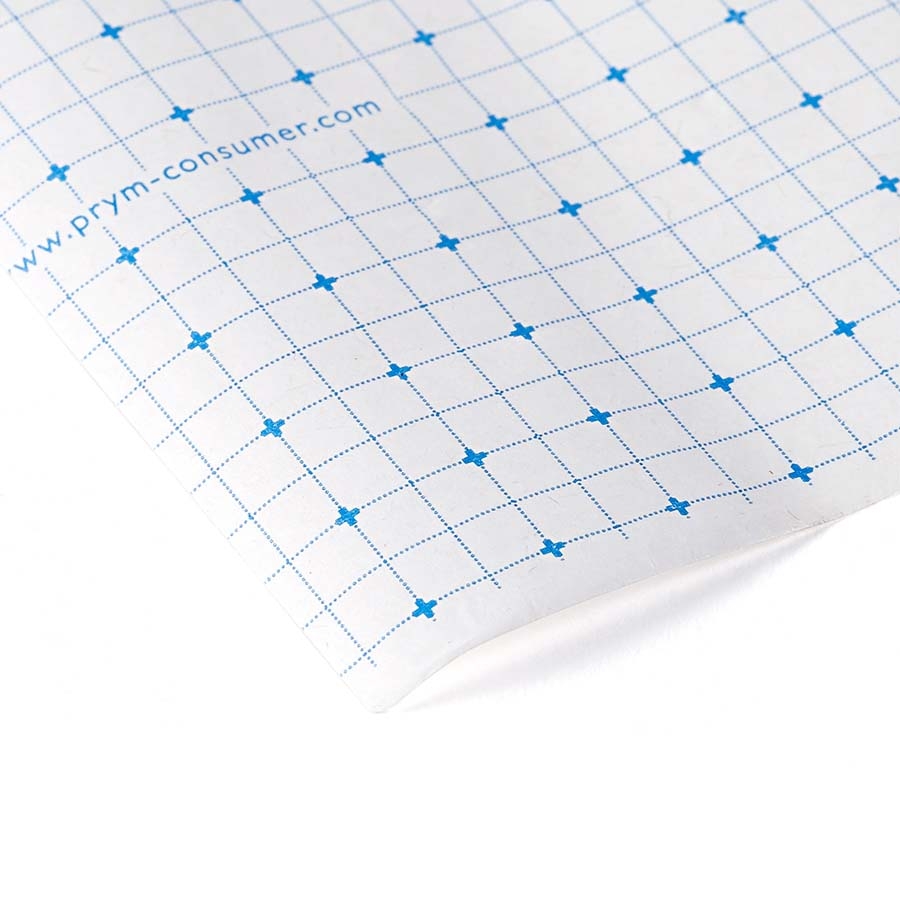
Prym Dressmaker s Gridded Pattern Paper 10m William Gee UK
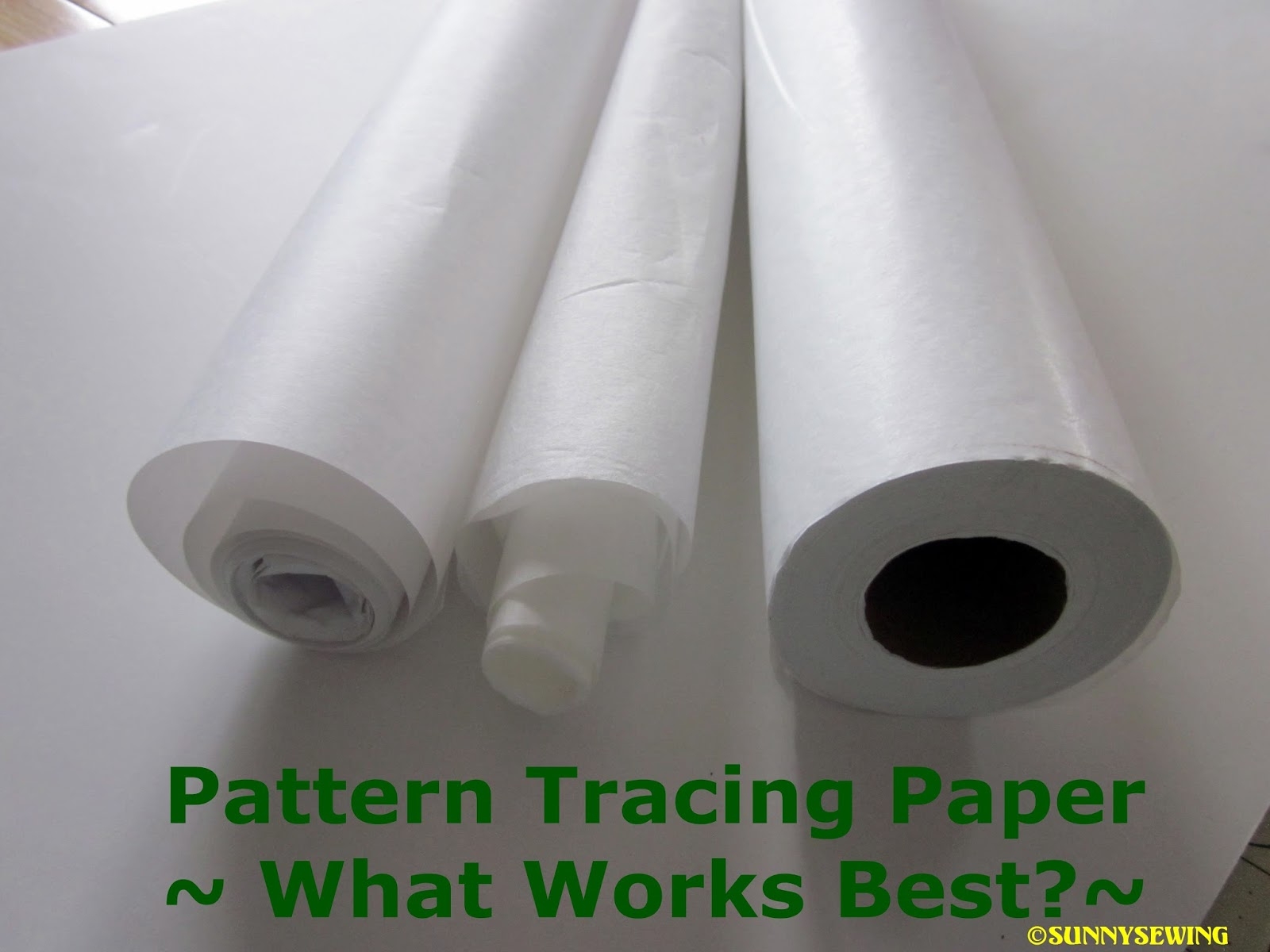
Pattern Tracing Paper What Works Best SunnySewing By Kristin