Tracing paper is a versatile tool that artists and designers often use to create detailed drawings or transfer images. Its semi-transparent quality allows for easy layering and precise replication of designs. Understanding how to use it effectively can enhance your creative projects.
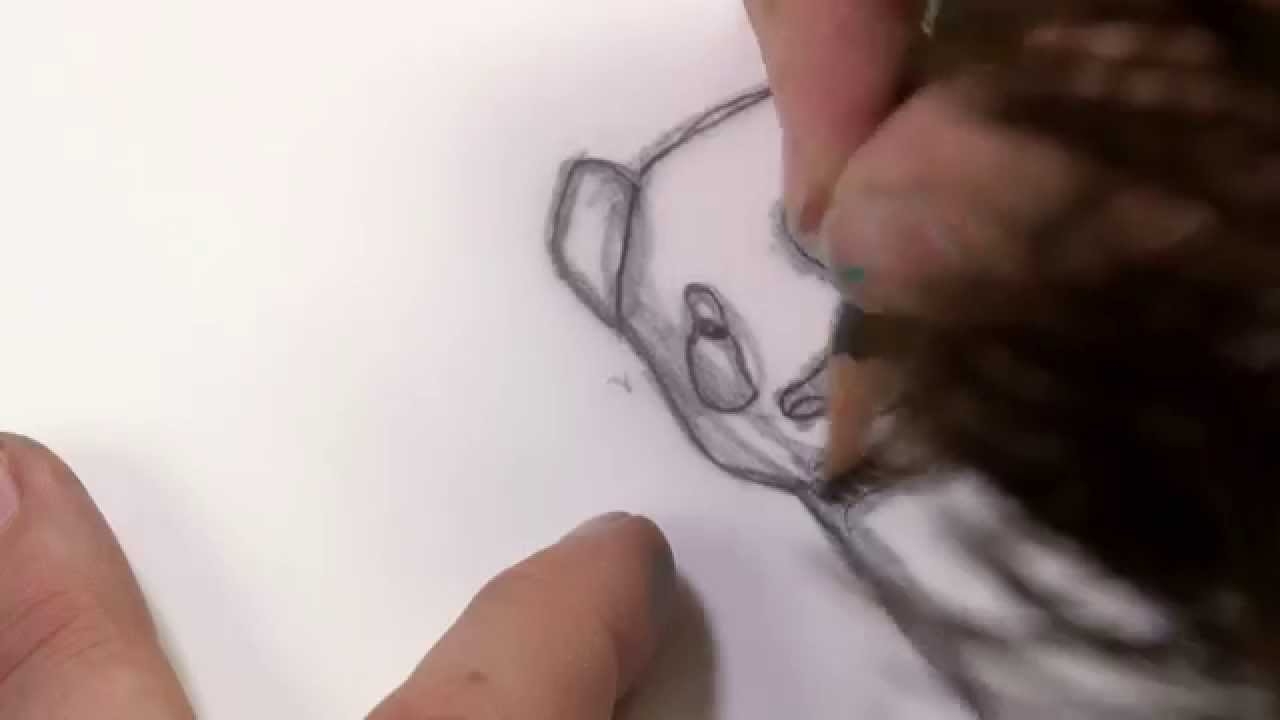
How Do I Use Tracing Paper
How Do I Use Tracing Paper
To start using tracing paper, place it over your original artwork or image. Use a pencil or fine-tip pen to trace the outlines carefully. This method helps you capture the essential details without altering the original piece.
For those looking to create layered designs, stack multiple sheets of tracing paper. This technique allows you to build upon your initial sketch, adding depth and complexity to your work. Experiment with different colors and textures for unique effects.
Another great use for tracing paper is in planning layouts. Whether designing a room or creating a graphic, you can sketch out ideas without committing to permanent changes. Simply reposition the paper until you find the perfect arrangement.
Finally, don’t forget that tracing paper is excellent for transferring designs onto other surfaces. Once you’ve traced your image, flip the paper over and rub the back with a pencil to transfer the design onto your desired medium.
Incorporating tracing paper into your creative process can elevate your artwork significantly. With practice, you’ll find it an invaluable resource for various projects, enhancing both your skills and confidence as an artist.
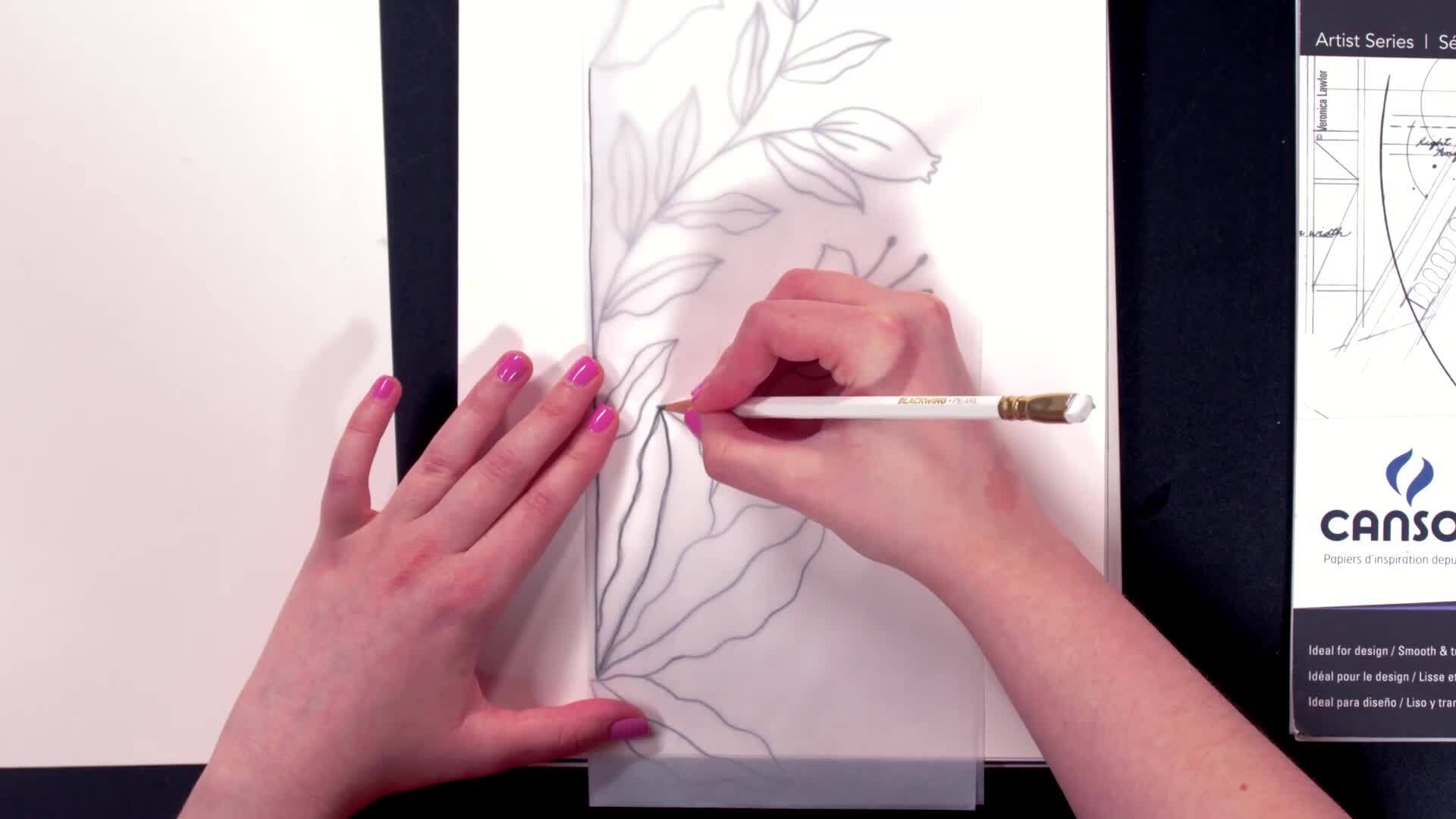
Tips For Using Tracing Paper
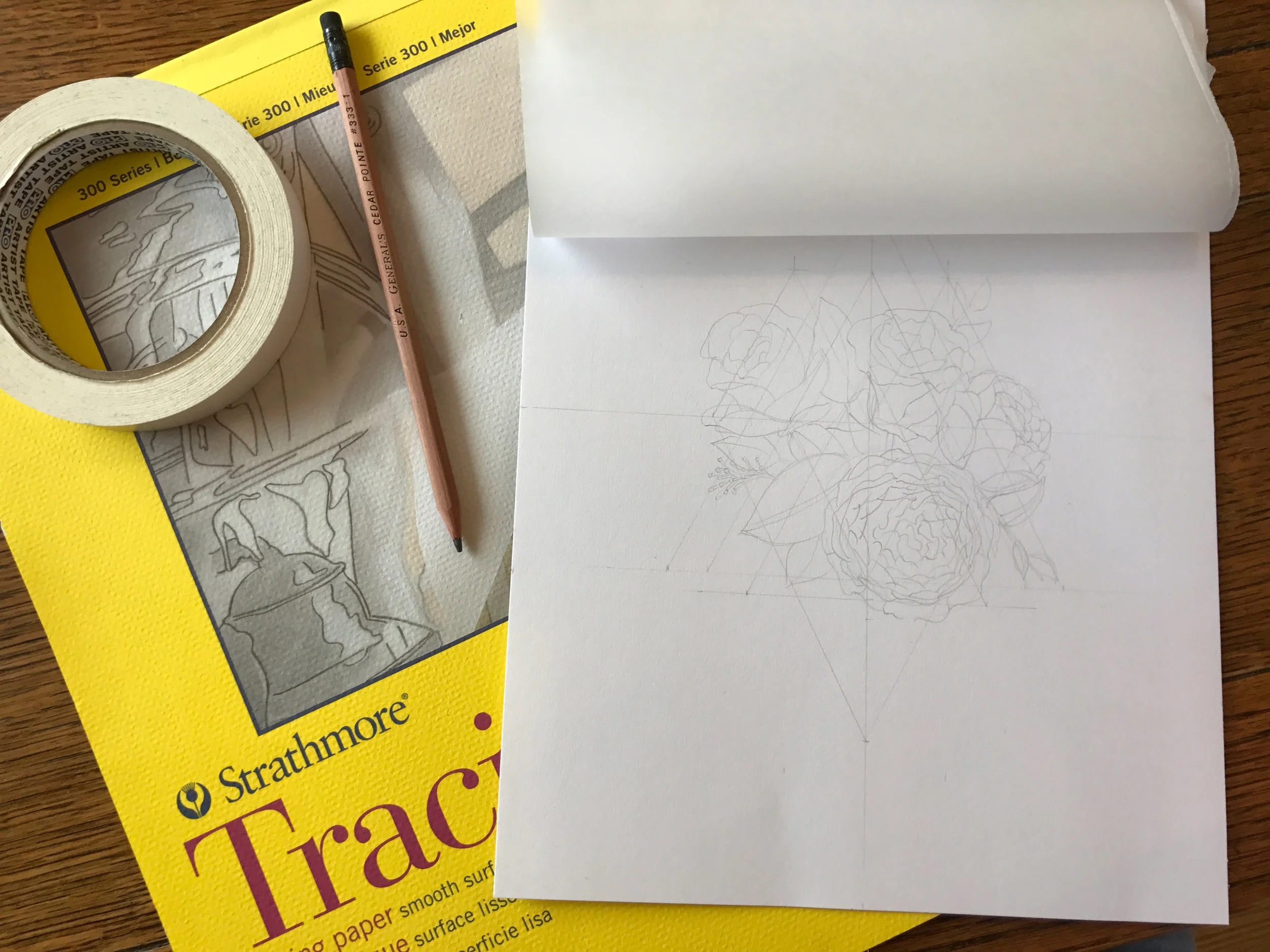
How To Use Tracing Paper To Transfer An Inked Illustration To
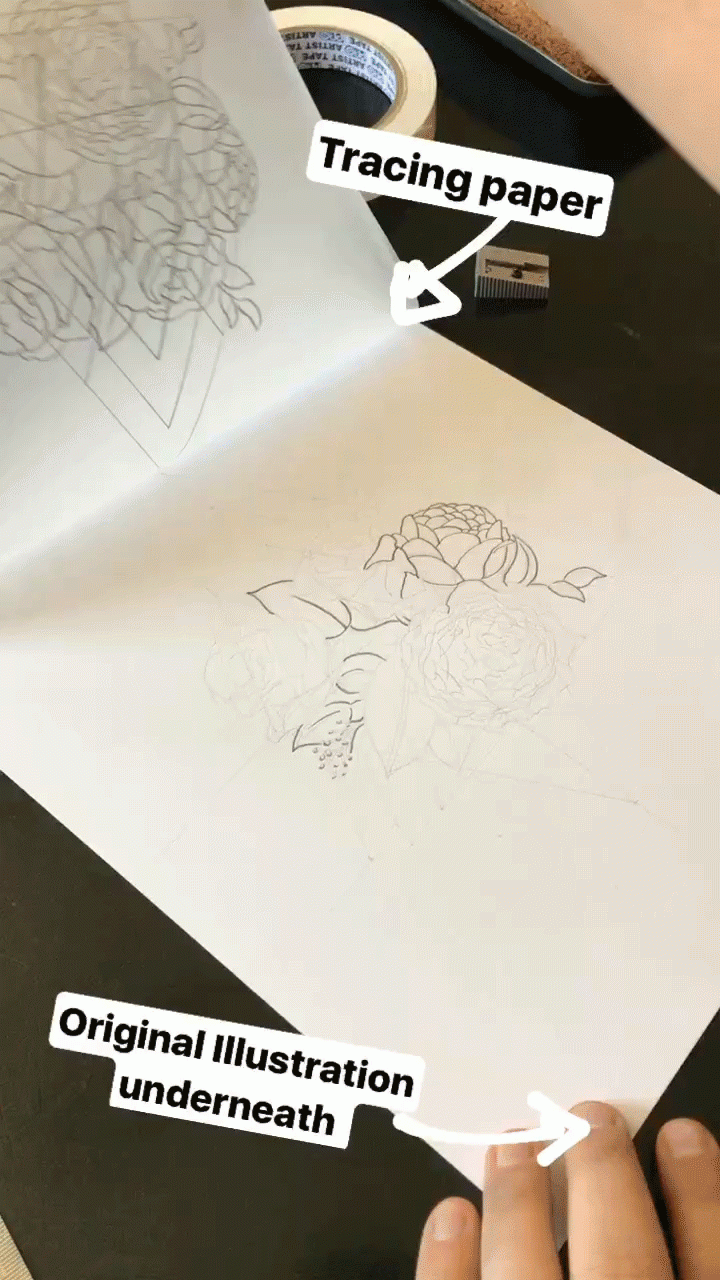
How To Use Tracing Paper To Transfer An Inked Illustration To
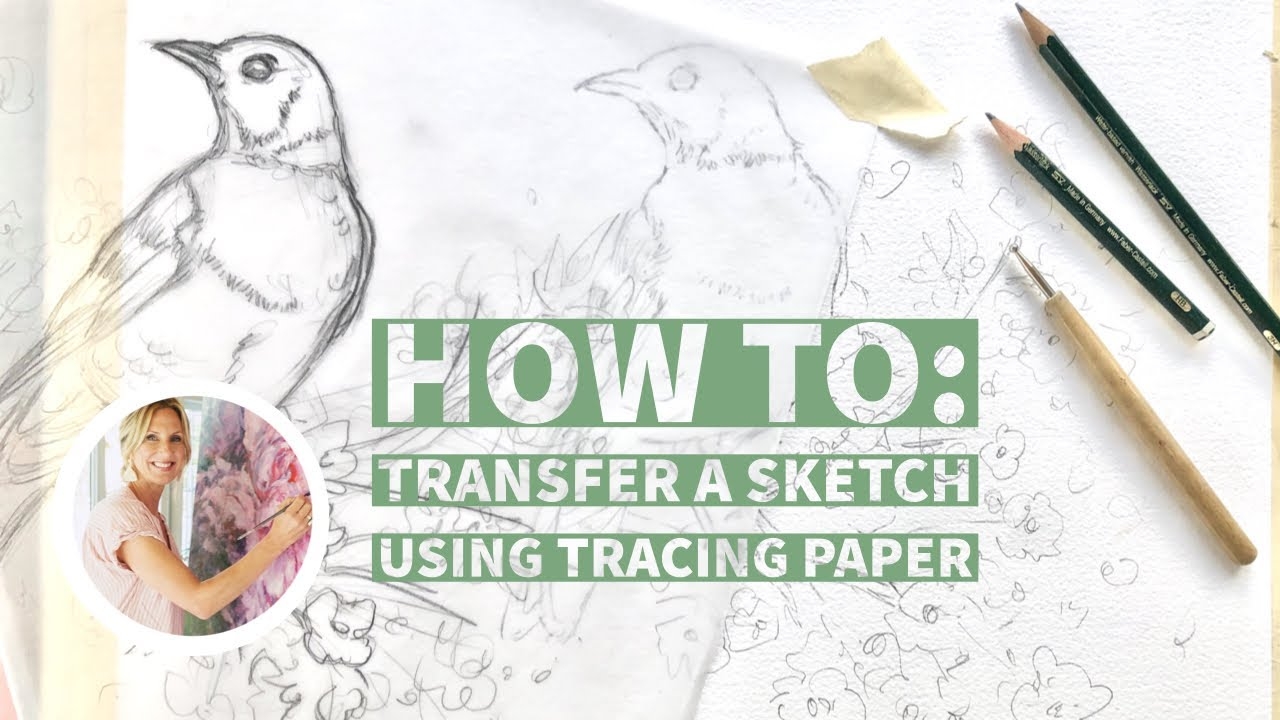
HOW TO Transfer A Sketch Using Tracing Paper
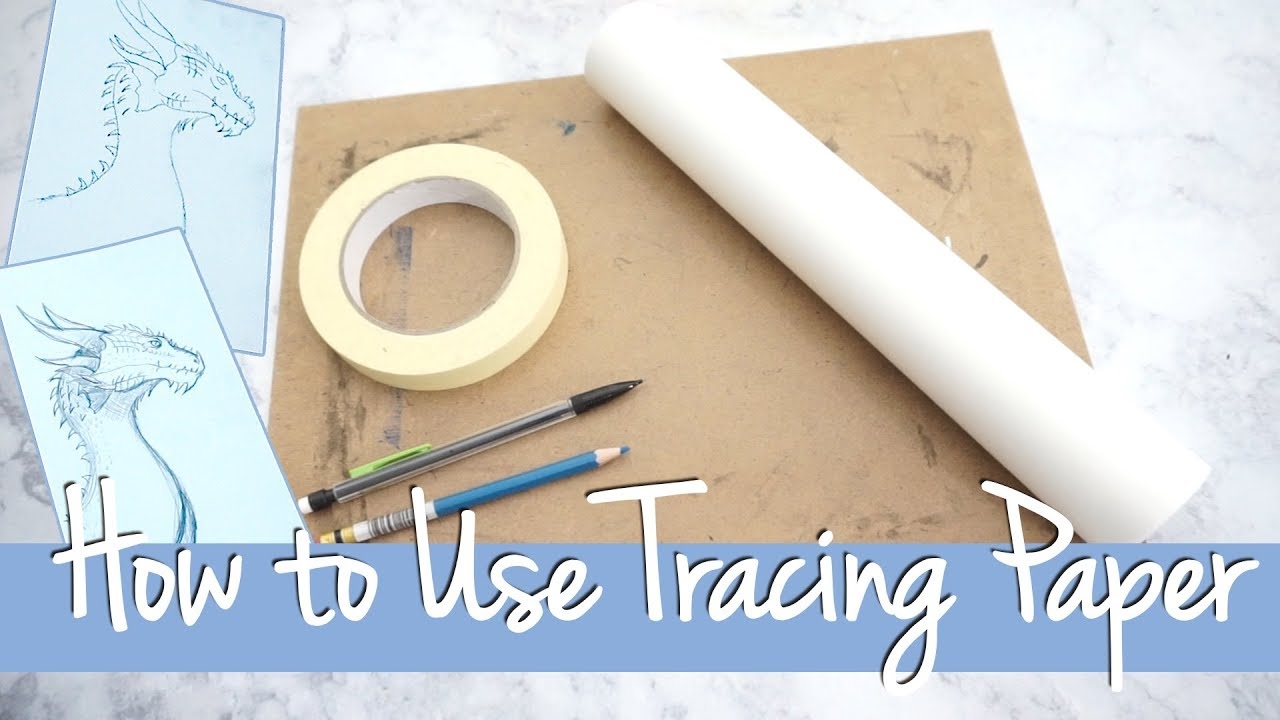
How To Use Tracing Paper